Keeping your rooms full year-round requires more than a beautiful property and great service. Travellers discover, compare, and book hotels online, which means you need a strong digital presence to guide them from search to reservation. A well-structured hotel digital marketing plan helps you increase direct bookings, reduce OTA commissions, and build long-term guest loyalty.
In this guide, you’ll learn exactly how hotel digital marketing works, the channels and platforms that matter most, and several proven tactics you can use to boost occupancy. You’ll also get access to a downloadable marketing plan you can customise to your unique property.
! Need Help With Your Hotel Marketing? Discover how our hotel SEO services are the solution you need.
What Is Hotel Digital Marketing?
Hotel digital marketing efforts include all the online strategies you use to attract travellers, convert them into bookings, and keep them returning for future stays. It blends multiple tools like search engines, social media, email, reviews, metasearch, paid ads, and your website into one coordinated approach. These are the building blocks of your overall hotel marketing plan.
Unlike traditional (or print) marketing, a hotel online marketing strategy gives you measurable results. You can track exactly how many people viewed your content, clicked your ads, visited your website, and completed a booking.
That data-driven insight helps hotels use budgets more efficiently and maximise revenue year-round. Without good tracking, you won’t be able to measure the results.
Why Is a Hotel Digital Marketing Strategy Important?
Travellers now research a destination, compare hotels, read reviews, and make reservations entirely online. If your hotel doesn’t appear in those search results or doesn’t deliver a smooth booking process, it’s unlikely you’ll convert as well as you could.
Showing up in search results offers invaluable organic traffic, often from people who are starting or already in the buying journey.
A well-built hotel digital marketing strategy helps you:
- Increase direct bookings (and reduce OTA reliance)
- Improve occupancy during low and shoulder seasons
- Strengthen your online reputation
- Compete with larger brands on local visibility
- Understand guest behaviour and target them more effectively
- Stay relevant in a fast-changing digital environment
Without a strategic approach, your marketing becomes reactive, inconsistent, and costly. With strong hotel marketing solutions, your property can grow steadily and predictably for years.
Looking for more digital marketing strategies? This guide covers a wide variety of the most effective digital marketing strategies for hotels.
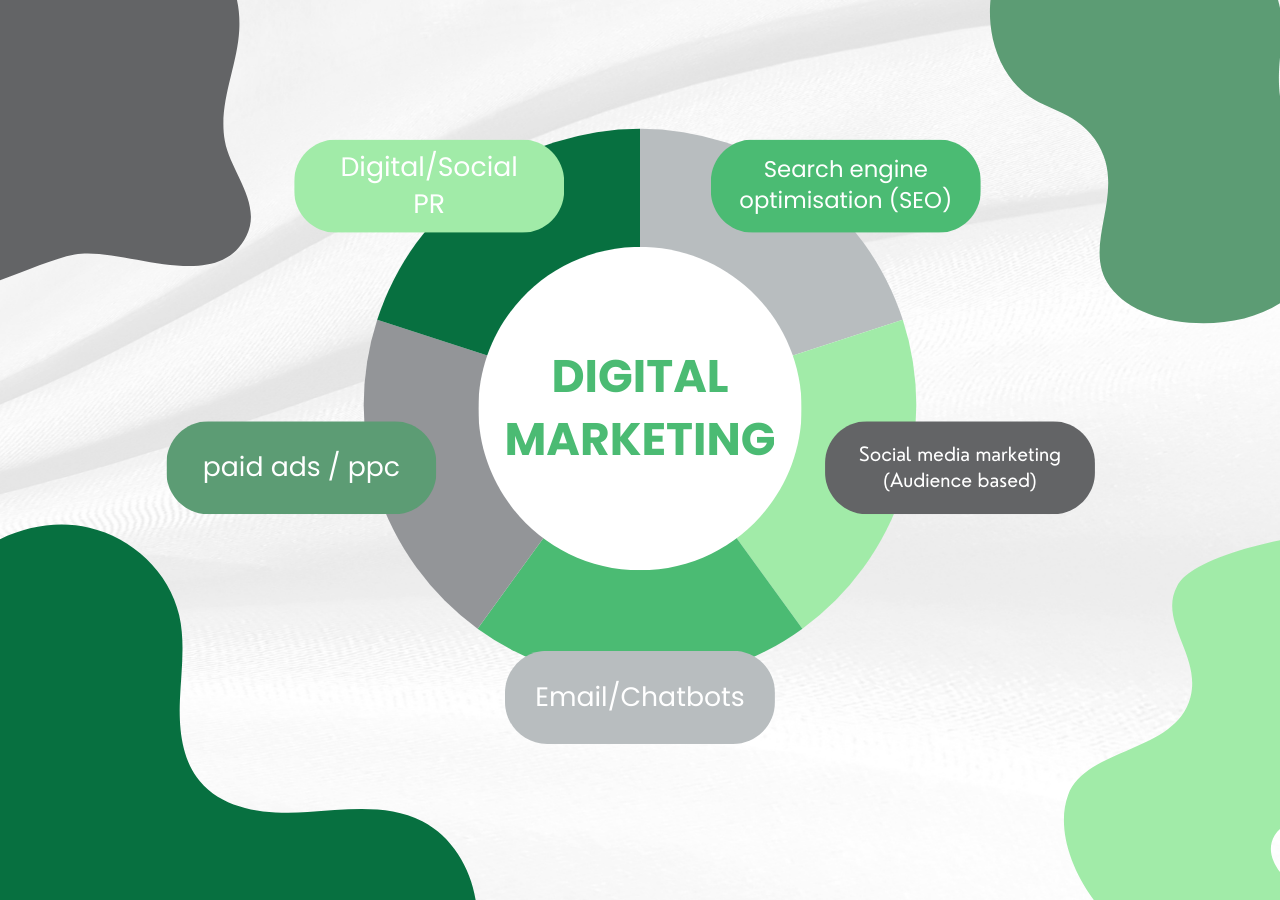
Digital Marketing for Hotels: 13 Strategies & Tactics That Work
Now that you’re a bit clued up on what hotel web marketing is and why it’s important, here are effective hotel marketing strategies used by leading brands around the world. Even using a few of these tactics consistently can lead to higher occupancy and a stronger brand presence.
1. Search Engine Optimisation (SEO)
SEO helps your hotel appear in search engines when travellers search for location and niche-specific terms, like “best hotel in Stellenbosch,” “family accommodation in Bali,” or “luxury spa hotel near me.” There is a lot that goes into SEO, including on-page and off-page tactics, as well as technical and local SEO.
Here’s what those mean:
On-page SEO: It involves optimising page elements such as content, HTML source code, and structure, to help both search engines and people understand your website better.
Off-page SEO: Actions taken outside the website to improve reputation, authority, and rankings. These include, but are not limited to, getting brand mentions, backlinks, and positive reviews.
Technical SEO: Optimising a site’s backend infrastructure to improve visibility and rankings. Actions often include enhancing UX, optimising site speed, and improving mobile responsiveness.
Local SEO: The process of optimising a business’s online presence, like your Google Business Profile, to improve rankings and visibility in location-based searches, e.g., “boutique hotels near me”.
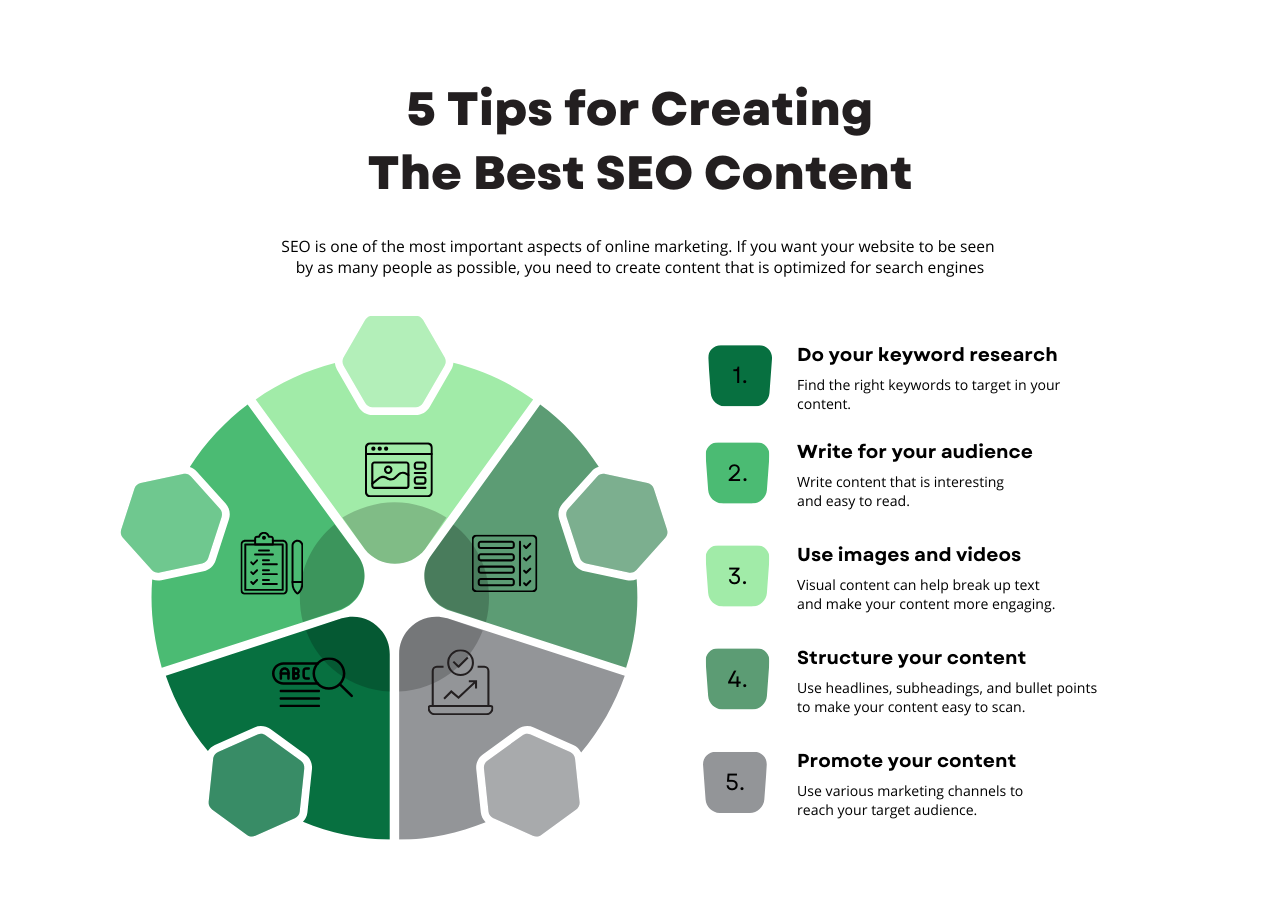
SEO drives long-term visibility and a steady stream of direct booking traffic, without paying for every click. This makes it a great option for hotels with smaller budgets.
A strong hotel SEO strategy includes:
- Keyword research based on guest intent
- On-page optimisation (meta titles, descriptions, headings)
- Publishing destination-focused content (blogs, itineraries, guides)
- Improving site speed, mobile performance, and providing a seamless user experience
- Building backlinks through partnerships, PR, and listings
! NEED HELP? Our monthly hotel SEO services can help you boost occupancy.
2. Google Hotel Ads & Metasearch Marketing
Travellers increasingly use metasearch engines to compare hotel prices instantly. Google Hotel Ads, TripAdvisor, Kayak, and Trivago display your rates alongside major online travel agencies (OTAs) like Booking.com and Expedia, giving you a chance to secure more bookings.
When you have a strong metasearch strategy, you can keep your rates competitive by undercutting OTAs and sync your web booking engine with metasearch engines. You can also use bid strategies to appear at the top of comparison lists.
Google Hotel Ads, in particular, has become very effective in earning visibility in today’s booking ecosystem.
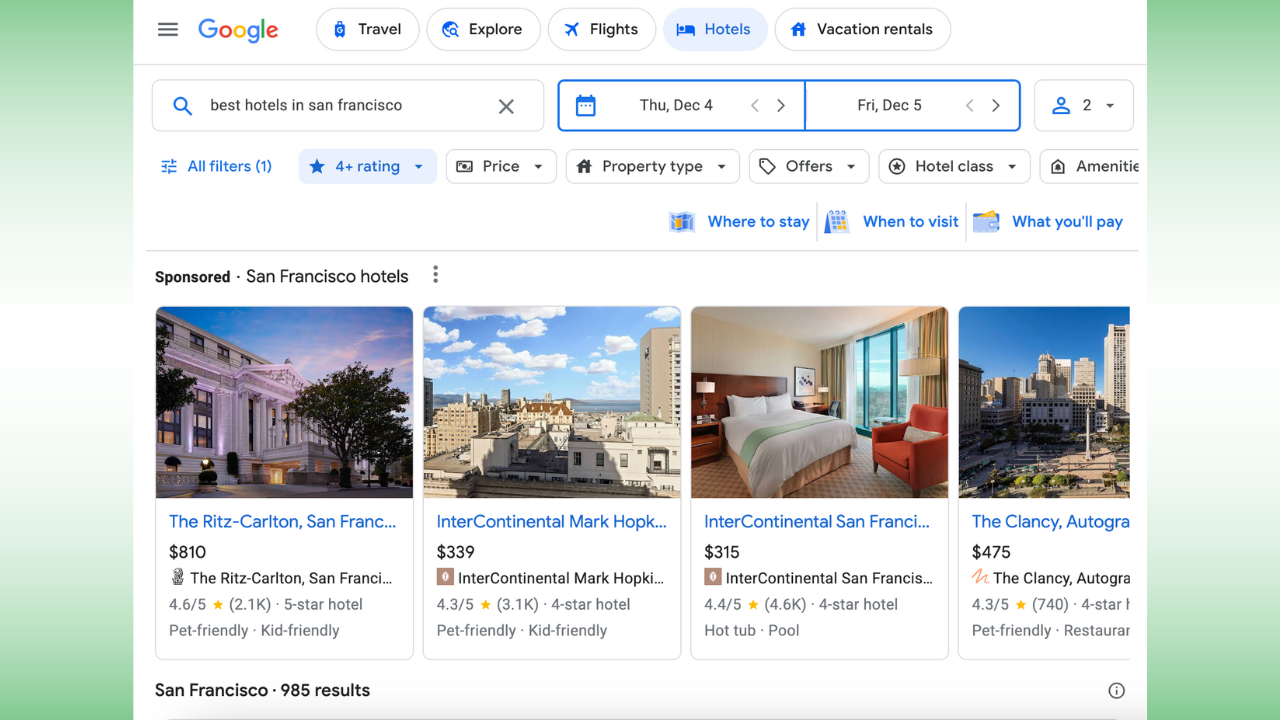
(Screenshot showing Google Hotel Ads)
3. Paid Search & Social Advertising (PPC)
Paid travel ads help you reach travellers actively planning a trip by showing your hotel at the top of the search engine results pages (SERPs). These are often grouped together as “Sponsored” results, which can either positively or negatively affect your click-through rates (CTRs).
Using paid ads can positively impact your digital marketing strategy by showing your hotel first, since the top five results on Google get about 70% of all clicks. On the other hand, the “Sponsored” tag may suggest to browsers that you’re not what they’re looking for, but instead you’re showing up because you paid for it. This is why a carefully planned PPC campaign is crucial for success, as it can use up the marketing budget without showing results if done wrong.
Some examples of paid ads include:
- Google Ads for high-intent keywords like “hotel in [city]”
- Display ads for brand awareness
- Meta Ads (Facebook + Instagram) for visual promotions
- Retargeting campaigns that bring visitors back to your site
PPC is ideal when you need predictable results to analyse, especially during low season, last-minute booking windows, and for promoting special packages.
! Looking to improve your paid ads’ click-through rate? Our hotel PPC services can make it happen.
4. Local SEO & Google Business Profile Optimisation
Your Google Business Profile is often a traveller’s first impression of your hotel. It communicates a few crucial things: that you’re a legit establishment with a name, phone number, address, and authentic reviews.
An optimised Google Business Profile increases your visibility in local search and maps. It also tells potential guests everything they might want to know about your hotel, such as amenities and what past visitors think about the establishment through positive and negative reviews.
Here’s how you can optimise your business profile:
- Add high-quality photos and videos
- Update amenities, policies, check-in times, and menus
- Use accurate categories (e.g., boutique hotel, beach resort)
- Post updates, offers, and events regularly
- Encourage and respond to online reviews
Top Tip: A well-structured, positive GBP can help you significantly reduce ad spend, as you will naturally feature in local search, maps, and metasearch.
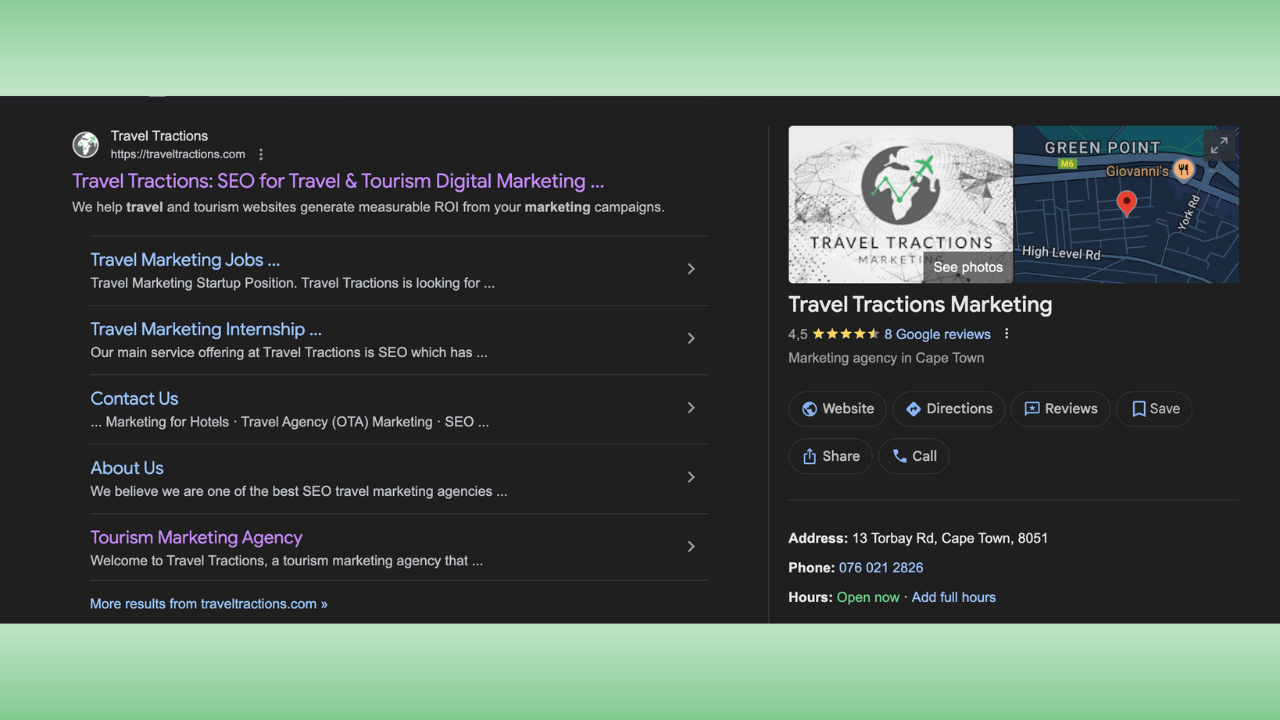
(Screenshot of an optimised Google Business Profile)
5. Conversion-Ready Website & Booking Engine
Your website is your hotel’s “digital front desk.” It’s the first impression potential visitors get about the property, so it should do several things. These include having a fast loading speed (three seconds or less), being fully mobile-responsive, and showing your unique selling point.
The hotel’s web design and content are equally important, providing detailed room descriptions and photos, displaying trust signals (reviews, awards), and hosting a secure booking engine.
Even small changes, such as simplifying navigation or improving image quality, can significantly increase conversion rates.
6. Content Marketing & Destination Guides
Nobody knows your hotel, its facilities and amenities, and the location/destination as much as you do. Leverage that information. Hotels that act as local experts rank better in search engines and build trust with travellers because they deliver first-hand knowledge, from lived experiences.
Don’t just create any content, craft compelling guides that share details and insights on the neighbourhood, seasonal travel tips, adventure-specific itineraries, and local events.
Relevant content improves SEO by helping you rank for intentional keywords. It supports social media as you can repurpose long-form blog posts into reels, carousels, and stories. Great content about your local area also positions your hotel as the best base for exploring the destination.
! Want to set your hotel apart? Try our content writing services today!
7. Social Media Marketing, UGC, Influencer Collaborations & Partnerships
Social media platforms, especially Instagram, TikTok, Facebook, and Pinterest, help your hotel showcase not only its rooms and amenities but also its personality. User-generated content (UGC) builds credibility, while collaborations extend your reach to new, pre-qualified audiences.
Partner with travel influencers, lifestyle creators, local businesses, and tourism boards. Influencers create authentic content and expose your hotel to new audiences. Local partnerships (restaurants, tours, spas) also help diversify your overall marketing reach.
! Need Help Boosting Your Brand Reach? Find out how our travel PR services can help!!
8. Email Marketing & Automated Guest Journeys
Email remains one of the best digital marketing tools your hotel can use to nurture future and past guests. With a good system, you can capture leads and work them down the funnel from top to bottom with well-scripted emails. This can be daily, weekly, or monthly, depending on your campaign.
And email marketing doesn’t have to be a long process. You can leverage artificial intelligence to help you draft a welcome series and other campaigns, such as exclusive discounts.
According to recent email statistics, AI-driven email marketing increases click-through rates by 13% and revenue by 41%. That means, by doubling down on hotel email marketing, you can reduce reliance on OTAs and still get nearly half of your revenue from your own email list.
But how do you build an email list?
- Design a branded opt-in pop-up for your website
- Create lead magnets (or “freebies”) that you’ll send to people who opt in
- Freebies can be destination guides, packing lists, or itineraries
What do you do with an email list? Send:
- Pre-arrival emails
- Upsell offers (spa, dining, transport, upgrades)
- Mid-stay check-ins
- Post-stay review requests
- Special promotions and package deals
- Seasonal newsletters
- AI-personalised offers
Save time and money by automating the process with AI. Group leads into segments to make sure you target the right people with each campaign. This type of automation ensures consistent communication, enhancing the guest experience and increasing customer lifetime value (CLV).
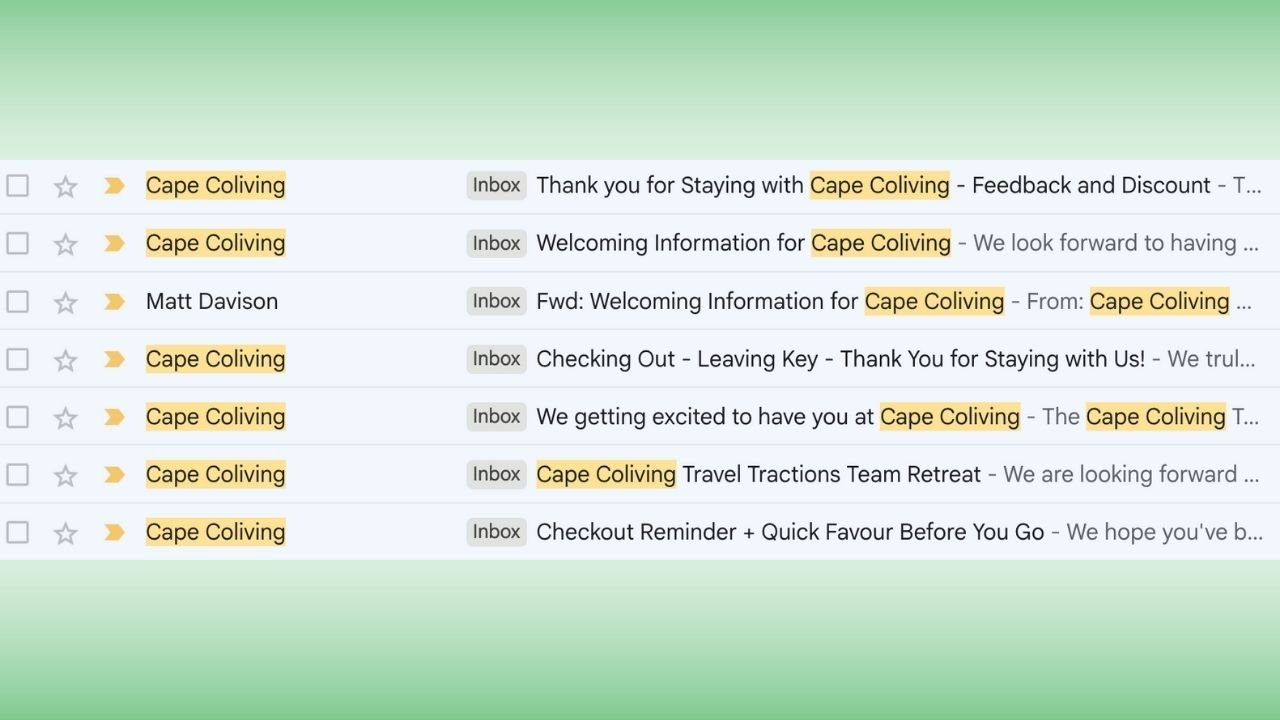
(Screenshot showing Cape Coliving’s email marketing campaign)
9. Online Reputation Management
Your reputation directly affects your occupancy. Travellers rely on reviews to choose where to stay. A good reputation starts with excellent service. Make sure your guests leave your hotel with a good impression, good enough to leave more positive reviews and tell others about it.
However, there may be some unsatisfied customers; if they leave unpleasant reviews, don’t shy away from engaging with them. Good reputation management has a lot to do with dealing with negative reviews in a professional manner. Take responsibility, and offer a discount in turn.
10. Rate Parity & Revenue Management
Rate parity ensures your website offers the best available price, making direct booking more appealing. Compare your rates with those of similar hotels in the area and offer the best price. Don’t undersell yourself, but do offer competitive rates that’ll make you the best option.
Combine this with revenue management practices like:
- Dynamic pricing
- Seasonal adjustments
- Event-based rate increases
- Competitor benchmarking
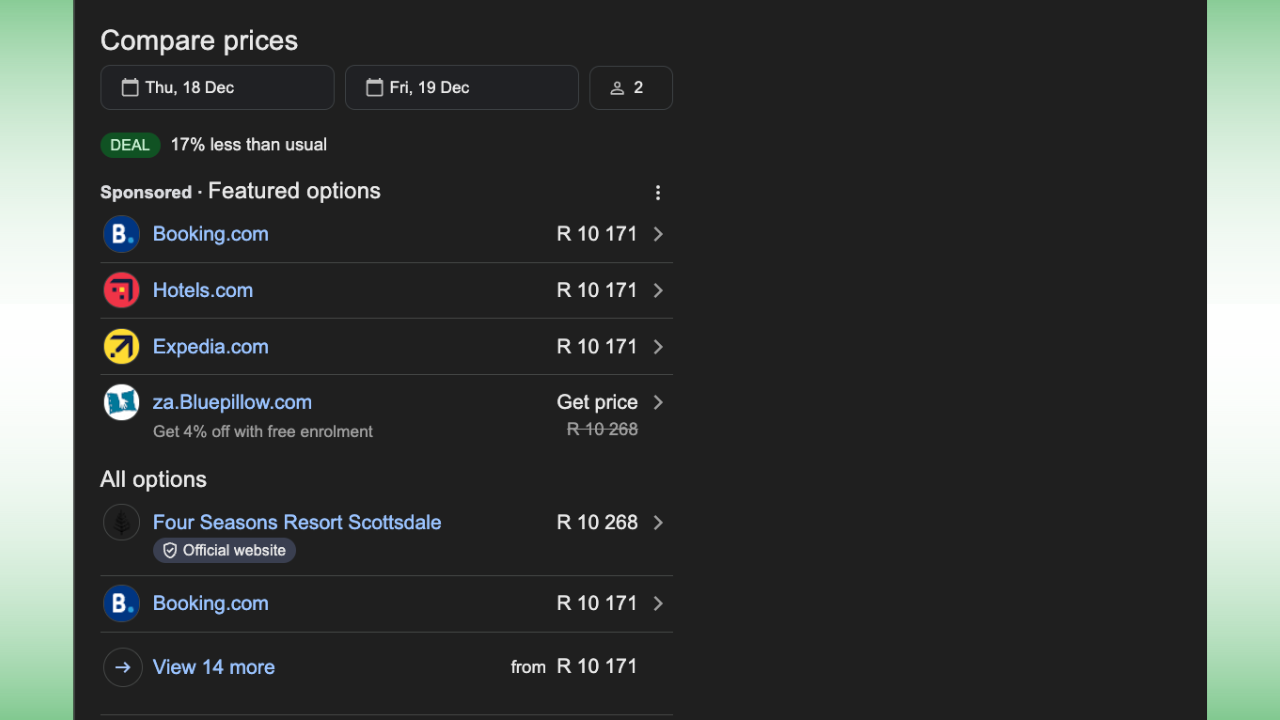
(Screenshot showing price comparisons across OTAs for the Four Seasons Scottsdale)
11. Mobile Optimisation
Over 50% of hotel bookings are done through mobile devices. If your website is not optimised for mobile viewing, you’re losing out big time. You can optimise for mobile by using a web builder that already has this built in. When creating content, opt-ins, or pop-ups, view changes on both desktop and mobile to ensure it is presentable and readable on both devices.
A mobile-optimised experience should include:
- Fast loading times
- Click-friendly room options
- Clear mobile menus
- Easy scrolling and minimal text blocks
- Mobile wallet payment options
12. Remarketing & Abandoned Booking Recovery
Most travellers won’t book the first time they visit your site. This is because they may be in the early stages of the customer journey. But that doesn’t mean they won’t come back. With good remarketing, you can recover abandoned bookings by doing several things.
You can use:
- Display ads reminding them of your hotel
- Social media retargeting
- Automated “abandoned booking” emails
- Limited-time offers to close a sale
Remarketing is one of the highest-ROI strategies in hotel marketing.
13. Video Marketing & Virtual Experiences
Video is the most engaging content format across all platforms. That’s why search engines like Google have not one, but two tabs dedicated to video search: “Videos” and “Short Videos”.
People like visuals, and this is more true in the hospitality industry than anywhere else. Potential customers like to see what they’re getting before committing; they want to see rooms, amenities, gardens, views of the surrounding area, facilities, and even small features.
Use:
- Short-form videos for social media platforms
- Room walkthroughs
- Pool, spa, and restaurant tours
- Drone footage of your property
- 360° virtual tours
- Staff introductions and stories
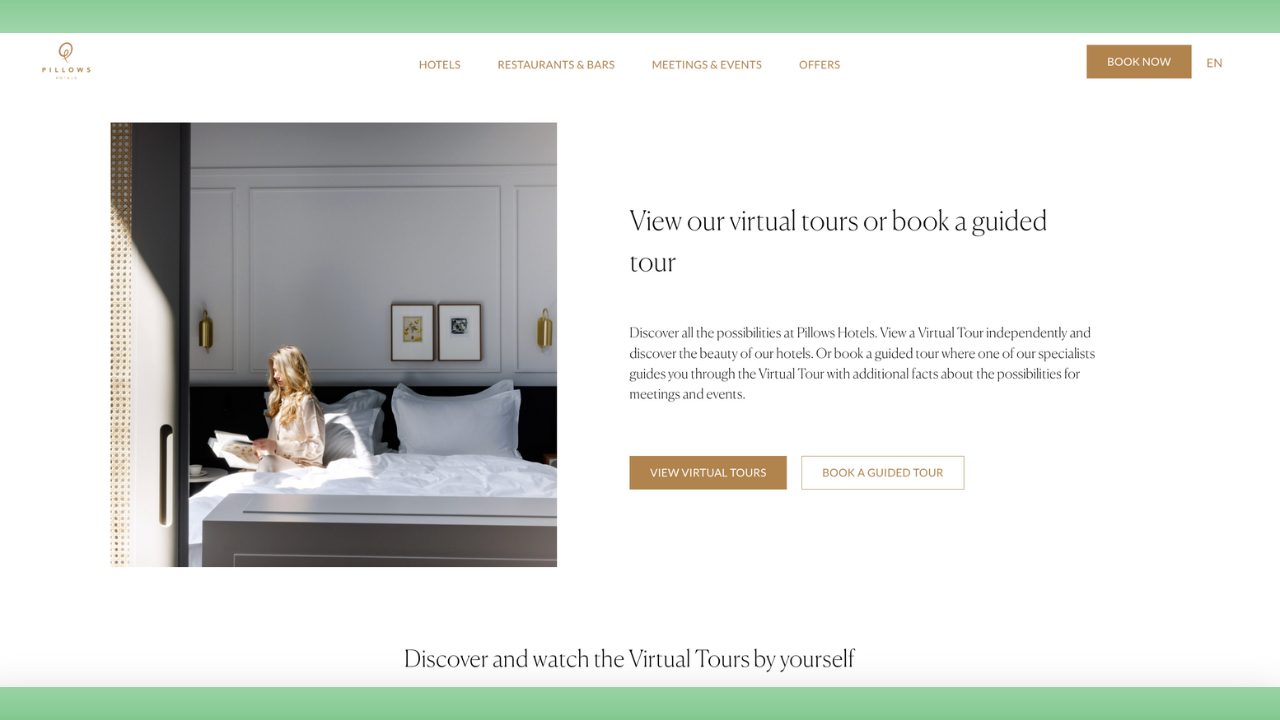
(Screenshot showing a hotel offering virtual tours)
FAQs About Digital Marketing Plans for Hotels
Still have some lingering questions about building a winning hotel internet marketing plan? Here are answers to some of the most common questions we get asked by hoteliers.
How to Do Digital Marketing for Hotels?
Use a combination of SEO, paid ads, metasearch, social media, content marketing, email, and review optimisation. Build a strategy around your guest segments and measure results consistently.
What Are the Hotel Marketing Trends?
Current hotel marketing trends include:
- Short-form video
- Influencer marketing partnerships
- AI-powered personalisation
- Automated guest communication
- Metasearch dominance
- Social proof and UGC
- Mobile-first bookings
How Important Are Google Hotel Ads in Hotel Digital Marketing?
Extremely important. Google Hotel Ads places your property in front of travellers at the exact moment they’re ready to book. They also help you win more direct bookings instead of losing reservations to OTAs.
How Much Does Online Marketing for Hotels Cost?
Budgets vary based on hotel size and location. Online marketing costs can range from $500 to over $20,000; it all depends on your goals and how long you’d like the campaigns to be. Chat to one of our expert hotel SEO consultants to get a clear picture of how much you should aim to invest.
Ready to Create an Effective Hotel Internet Marketing Plan?
A strong digital presence is no longer optional; it’s essential. Whether you want to reduce OTA reliance, increase occupancy, or showcase your hotel to a global audience, the hotel digital marketing strategies and tactics above will help you build a sustainable and effective strategy.
! Ready to Take Your Hotel to the Next Level? Book a FREE Consult with one of our experts today!!

Matt is a travel entrepreneur with over a decade of experience across digital marketing, operations, and asset investment. His ventures include founding the agency Travel Tractions, successfully buying and selling multiple travel websites, and owning a boutique hotel in his home base of Cape Town. His writing focuses on the intersection of data-driven marketing and real-world business growth in the tourism sector.