
Since the AI boom, the tourism industry has undergone significant changes and embraced new ways of viewing travel. This shift toward new perspectives and evolving trends, such as agentic AI assistance and slower travel, has also influenced hospitality marketing.
Hospitality is no longer about selling rooms or reservations. It’s about delivering an experience for guests. Staying ahead in the hospitality and hotel industry means mastering the latest trends that captivate modern travellers. These trends range from integrating AI into your systems to providing your guests with hyper-personalised, sustainable experiences.
In this article, we’ll examine all aspects of hospitality marketing trends and the broader fads that affect it. This also includes developing an effective strategy for your business to create memorable guest experiences that stand out in a competitive market.
! Start boosting bookings today with our tailored travel SEO services
Why is Hospitality Marketing Important?
Hospitality marketing focuses on raising awareness of your business within the hospitality sector, including hotels, restaurants, and tourism companies. It also aims to highlight the unique selling points (USPs) of your products and services to an audience. The aim is to get potential guests to regard your product or service as desirable and distinctive from (or better than) competitors.

7 Ps of Hospitality Marketing
While the 4 Ps of marketing had been well known since the 1960s, Bernard Booms and Mary Bitner expanded it to seven factors. Surprisingly, this framework still holds up today and has even been adopted by luxury hospitality groups such as Marriott Bonvoy and The Ritz-Carlton.
Here’s how you can use it to fine-tune your strategy and elevate the guest experience, too.
Product
For hospitality companies, your products aren’t just the goods or services you sell. It is everything that sets your hotel, restaurant, or travel agency apart. So, think unique stays, exceptional services, and overall guest-centric experience.
By focusing your marketing efforts on these hyper-specific aspects, you can attract your ideal customer and, in turn, meet their needs. This can mean highlighting small perks, from parking spaces and conference rooms to big ones like an on-site restaurant and an ideal location near many amenities.
Price
This is the revenue-generating element of the framework and requires a delicate balance between competitive pricing and your guests’ preferences. Typically, hotels and restaurants use dynamic pricing that fluctuates with demand, seasons, and competition. This approach allows The Ritz and The Marriott to optimise their revenue during peak travel seasons or special events.
The hotel brands also use segmentation pricing, targeting different market segments such as business and leisure travellers. These respective packages may include “deals” specifically catered to this audience (e.g., conference facilities and wellness offerings or spa services).
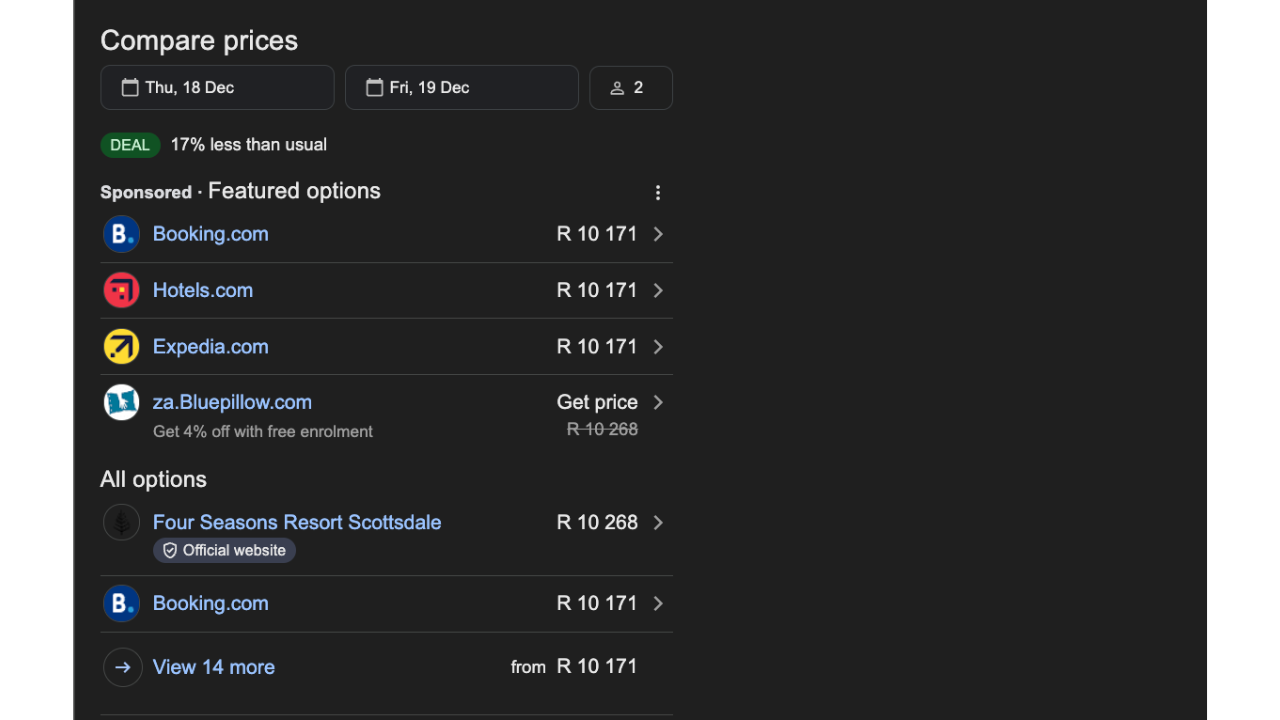 (Example of competitive pricing among OTAs)
Place
In this context, place refers to the distribution channels through which your marketing efforts are delivered to your ideal clients. Distribution methods can be divided into two categories: direct and indirect. Let’s take a look at each.
Tip: Use Google Analytics to identify which channels drive the most bookings, then adjust the digital marketing spend accordingly.
| Direct: | Indirect: |
|
|
Pros:
|
Pros:
|
Cons:
|
Cons:
|
Promotion
As the name suggests, promotion is about letting potential guests know about your fantastic product, place, and prices. This can be digital or social promotions, such as email marketing, apps, Instagram, and YouTube.
But this goes beyond just paying for an ad banner on a website. A well-crafted campaign helps build customer interest and business awareness and drives action through easy-to-understand CTAs. Even small changes in your travel ads can make a big difference.
Invest in social media marketing and work with influencers in your niche. You can also partner with local businesses to expand your reach at events your target audience attends.
Tip: Read our guide on improving your paid travel ads for your hospitality business.

(Example of paid hotel ads)
People
When people visit your establishment, they come for the product, prices, and location (and sometimes because of FOMO). But if, once they’re there, the customer experience is poor, all that work will have been for nought.
When it comes to hospitality, people are at the core. And this applies not just to your hotel guests. This includes your staff. Marriott International saw the value in this and invested in employee training and development, customer service excellence, employee satisfaction and retention, and diversity and inclusion.
Process
The process encompasses the service delivery and operational methods that shape the customer journey. The goal is to create seamless booking processes, easy reservation methods, and to minimise friction and prevent guest frustration.
Ensure your reservation and booking processes are easy to complete, whether through your website, app, or possibly through WhatsApp. These platforms are also effective for engaging with guests, such as answering queries promptly and providing personalised service.
Utilise all resources to provide things like self-service kiosks, AI chatbots, automated emails after successful bookings, and review feedback to ensure a smooth process wherever you can.
 (Reservation process on booking.com)
Physical Evidence
Physical evidence is crucial for the hospitality industry because it provides tangible services or products. This includes the ambience, staff presentation, attire, and even the cleanliness of your spaces.
These drive direct bookings, reservations, loyalty, and revenue. Loyalty programs, for example, are a particularly important factor in this framework, as they represent more than just repeat business.
Loyalty programs create an emotional connection with your business, offer discounted rates, and drive more word-of-mouth referrals.
This also covers your business’s professional image, from your staff’s uniforms and behaviour to grounds and building maintenance. If you maintain high standards of cleanliness and decor, guests may also help you with your marketing strategy by creating user-generated content (UGC), which you can use for promotional opportunities.
Sectors in Hospitality Marketing
Hospitality companies, such as hotels, resorts, restaurants, and recreational establishments, thrive on relationships with existing customers and on their understanding of consumer behaviour.
Hospitality marketing is about targeting the right audience with relevant content on channels that work for that sector. Let’s take a look at how this could be done.
Tourism and Travel
In tourism and travel, you may focus your hospitality marketing communications towards several different sub-sectors. For example: leisure, business, local, international, and more. Depending on your focus, your marketing will address the specific needs and requirements of your perceived customer.
Your hospitality marketing messages may include a broader drive to explore your region, country, or specific niche; safari or adventure travel, perhaps?
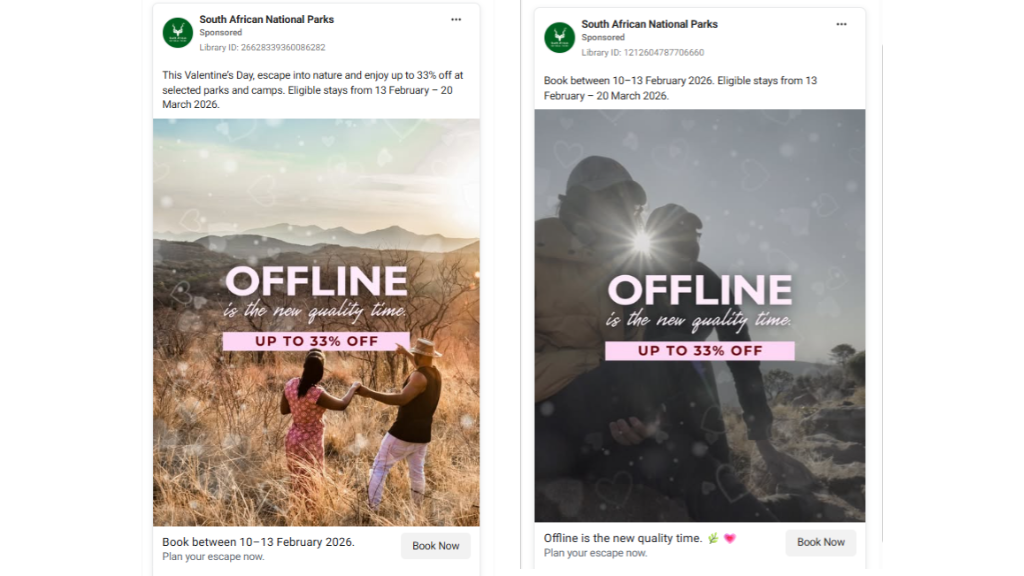
(South African National Parks online ads)
Accommodation or Lodging
Accommodation providers like hotels, B&Bs, hostels, and so on will also market to specific sectors, depending on their locations and niches. Messaging is shaped based on their perceived target in both traditional and social media marketing spheres.
A hostel is often more desirable to the young and energetic, while a romantic 5-star hotel would be most suited to a couple on honeymoon. Recognising what helps your accommodation stand out will then lead you to the perfect marketing strategy.
Recreation
Finally, travellers need recreation. It’s part and parcel of any trip – whether it’s a family holiday or even a business agenda. Beyond sports, eating and dancing, spas and health-based activities like yoga and workshops are also considered recreational services.
It may make sense to partner with a nearby recreational service to enhance your own value offer. Your hospitality marketing strategy should encompass that.
! Speak with a travel SEO expert for free about our hospitality marketing
9 Trends Driving Hospitality Marketing Strategies
A solid hospitality and travel marketing strategy is the key to any company’s success in attracting and retaining customers. The idea is to attract attention and build brand and product loyalty through practical, relevant communication strategies.
It’s estimated that returning customers can account for up to 55% of a business’s turnover.
Hospitality marketing media have evolved over the years. It shifted from traditional print and broadcast advertising to modern digital and social engagement channels, especially on mobile apps. Regardless of the combination of strategies in place, the goal is to sell an experience. What makes this particular hotel, restaurant, or recreational activity unique?
A hospitality marketing and communication strategy recognises the value of a great experience.
1. Personalised Guest Experiences
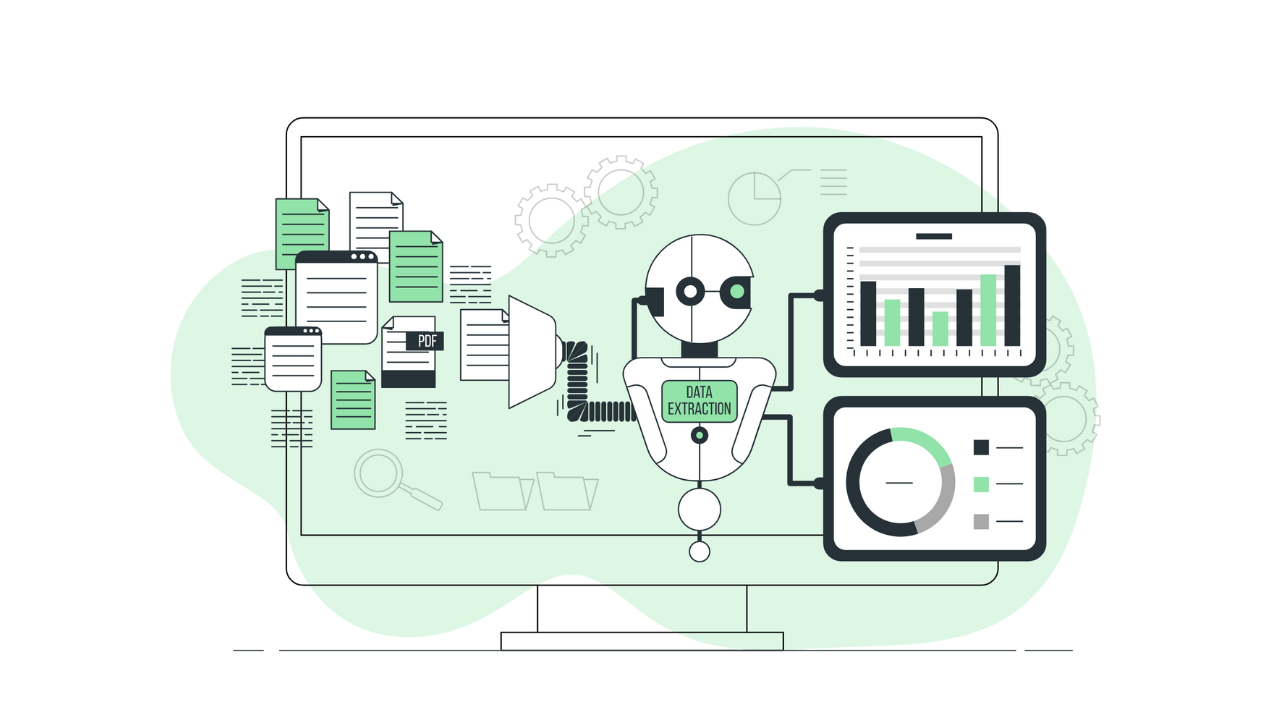
When customers feel valued and individually recognised, the concept of personalisation marketing strategies comes into play. Hotels, for example, may keep specific records of guest experiences and preferences, tracking travel trends based on aggregated web data.
Hotel and hospitality marketing services recommend targeted emails and digital advertising campaigns to clients who have expressed specific interests, helping them create memorable guest experiences.
Another touchpoint may be website interaction or an automated booking engine. Intelligent chatbots may engage a visitor to your inquiry engine.
! Want some expert help? SEO consulting services for travel websites
2. Influencer Marketing
For some time now, influencers have been a part of the hospitality marketing sphere. Selective influencer marketing strategies may offer benefits, provided the influencer is credible and respected in the sector.
In the best cases, influencers will still require supplemental digital content to enhance their effectiveness. If an influencer has focused on a specific element of your product in their content, that’s an opportunity to capitalise on that with content that focuses on the same thing.
Read more: Check out this digital content checklist you might employ to expand your reach.
3. Showing Guest Experiences with User-Generated Content
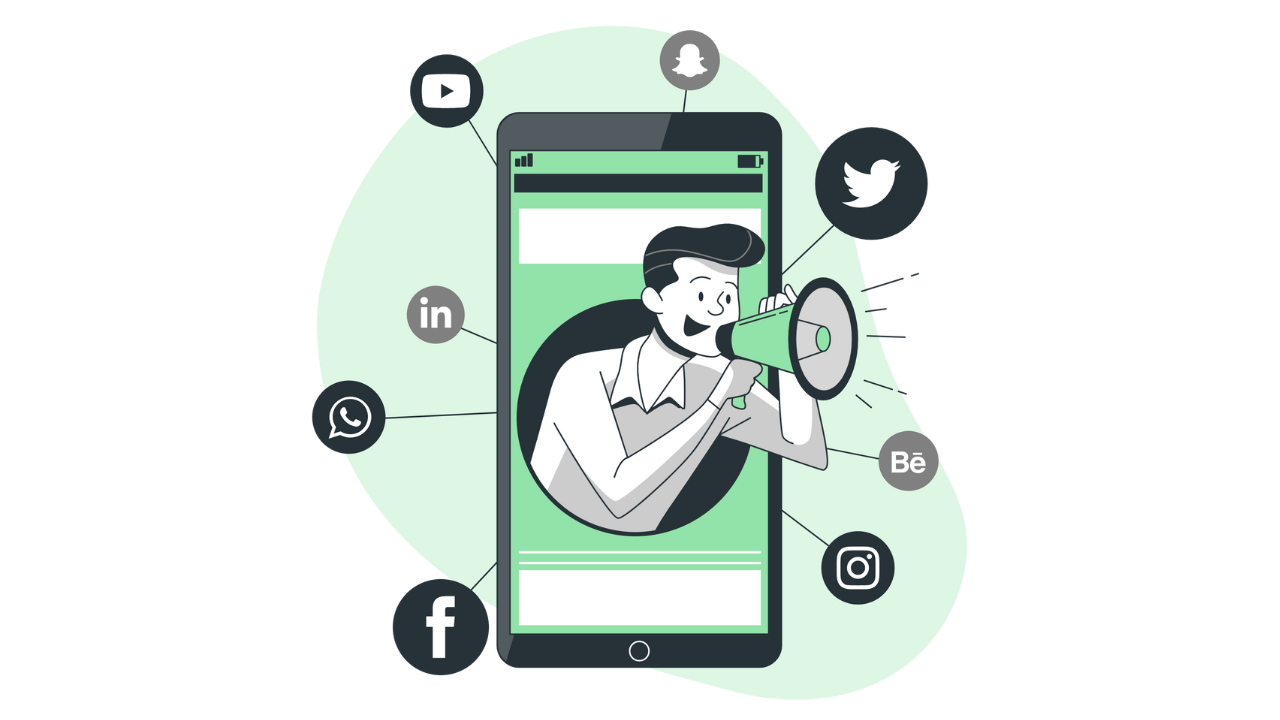
User-Generated Content (UGC) differs from influencer marketing in that it is unsolicited and based solely on customer feedback about your product. They can take the form of comments on your website or social media, personal blogs, or YouTube content.
Customer reviews are a significant factor in whether prospective hospitality customers choose to spend with you. More often than not, it’s the deciding factor. While you may not always control the content directly, be aware that UGC is a powerful driver of brand awareness, so it’s in your best interest to monitor and respond to it appropriately.
Aggregating your UGC data for analysis can be an essential and valuable exercise. It can inform your hospitality marketing focus based on your previous target customers’ experiences with you. Emphasise the positives and address potential weaknesses based on this data.
4. Eco-friendly Practices
Marketing your business by highlighting its sustainable practices demonstrates that it’s not just a place or experience, but also that you care about maintaining ethical processes. Trends toward more eco-conscious travellers have been evident for some time. This is because we all work to protect vital resources and preserve biodiversity, which is often destroyed by new urban developments.
 (The Hyatt promoting its eco-conscious practices)
5. Guest Communication through Branded Messages
Branded messages help guests feel seen and valued from the first touchpoint. By aligning tone, visuals, and information with the brand, hospitality businesses can build trust, reduce friction, and clearly set expectations.
Strategic investments in messaging platforms enable timely updates, proactive problem-solving, and personalised recommendations, which boost satisfaction and loyalty. The goal is consistent, human, and helpful communication that reinforces the brand promise at every step.
6. Bleisure Travel
Bleisure travellers blend work and leisure, creating unique demands for comfort, connectivity, and convenience. Accommodations that support remote work, offer comfortable workspaces, provide reliable high-speed Wi-Fi, and offer easy access to relaxation win in this hybrid market.
Offering flexible check-in/out, quiet zones, and local experiences enhances appeal for business trips that double as personal getaways. It’s about supporting productivity while enabling a seamless leisure carryover.
7. Cultural Immersion Experiences
Cultural immersion experiences offer guests a gateway to authentic local life, cuisine, and traditions. They enrich stays by weaving storytelling, hands-on activities, and community partnerships into itineraries.
Prioritising environmental sustainability ensures these experiences respect ecosystems and communities. Thoughtful curation (such as guided, locally led tours and eco-conscious workshops) helps guests connect deeply while leaving a positive footprint.

8. Seamless Direct Bookings through Digital Channels
Direct bookings should feel effortless and secure, reducing friction from discovery to confirmation. A streamlined booking process, clear pricing, transparent policies, and mobile-friendly interfaces drive conversions and loyalty.
Personalisation, real-time availability, and easy edits add value, while integrated loyalty programs incentivise repeat stays. The aim is to make guests feel confident choosing the brand’s channels every time.
9. Virtual Reality Tours
Whether you have a hotel or an amusement park, VR tours offer a peek behind the scenes that standard photos can’t capture. They give travellers a tangible sense of space, flow, and ambience, helping them make decisions early in the journey.
Beyond showcases, VR can reveal behind-the-scenes operations, sustainability efforts, and unique service moments, building trust and anticipation. It’s about inviting curiosity and shaping informed expectations.
How AI May Impact Your Hospitality Marketing Strategy
It should come as no surprise that using artificial intelligence is the most significant trend right now. It isn’t just helping with digital marketing. It’s taking care of the boring, repetitive stuff in the global hospitality industry, too.
With innovative, practical technological innovation, it’s opening new ways to use guest data every day. Here’s how it can help your marketing for hospitality and tourism.
! Want some expert help? SEO consulting services for travel websites
Ranking in AI Search Engines
Ranking at the top of search engine results pages (SERPs) like Google or Bing isn’t enough anymore. Now, with more people using AI search engines, you need to invest in answer engine optimisation (AEO) and generative engine optimisation (GEO) services as well.
But what are AEO and GEO? Simply put, it’s the practice of optimising your content so AI crawlers easily read it and cite you as a trusted source. This approach helps your brand appear in conversational AI responses, voice assistants, and AI-driven recommendations. This helps expand your visibility beyond traditional search results and drives smarter traffic.

(Example of voice search on search engines and AI search engines)
Real-Time Guest Engagement
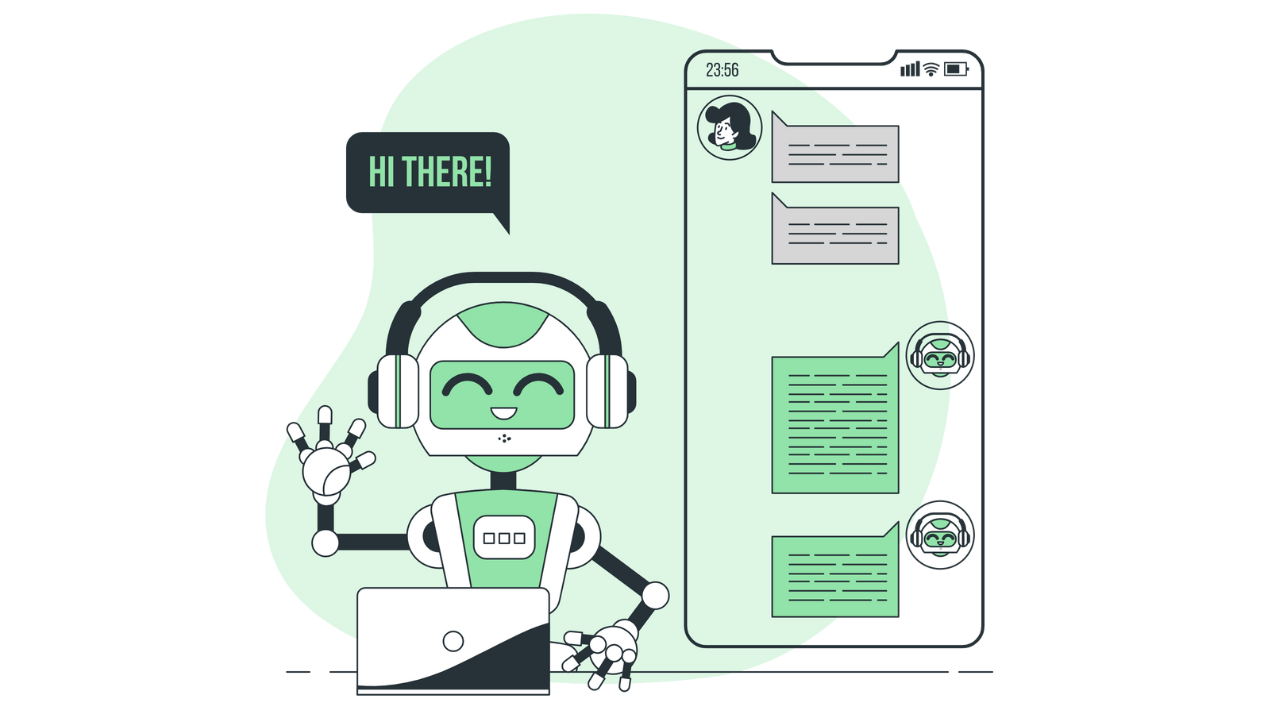
AI-powered chatbots, assistants, and voice interfaces provide immediate help, improving satisfaction and driving direct bookings. These tools can recommend rooms, restaurants, or activities based on personal preferences, helping people feel understood and cared for.
More hotels and restaurants now use real-time AI support because it creates a smoother guest journey from discovering a place to making a reservation. It also builds trust, reduces frustration, and ultimately makes every interaction feel more human and welcoming.
Advertising Optimisation
AI is like having a smart sidekick that spots what works best. It crunches guest data to target the right people with personalised ads, boosting clicks and bookings.
With its assistance, hospitality companies can make real-time tweaks to bids, creatives, and timing based on performance, slashing waste and boosting return on investment (ROI). Its predictive analytics forecast trends, so your campaigns hit peak engagement.
No more guesswork. Just smarter spending that feels custom-made for every traveller.
Guest Communication Tools
AI-powered guest communication tools feel like a friendly, 24/7 concierge for hospitality businesses. They understand guest preferences, have multilingual chat, answer common questions instantly, and handle bookings or requests with a human touch.
They not only enhance the guest experience but also operate very quickly. In emergencies, they can easily escalate matters to staff with real-time alerts that keep teams informed, improving response times and guest satisfaction.
Focus Your Hospitality Marketing and Advertising Efforts Effectively
So, where should you begin thinking (or rethinking) your hospitality marketing management strategy for integrating old and new platforms? What considerations are necessary to balance and enhance the landscape ahead?
Word of Mouth
First, start with what you already have. It would be unwise to ignore your existing customer base, as they may be the ones talking about you to new customers. If you already have a following on social media, find ways to encourage engagement from them.
Driving customer reviews on social platforms (and engaging with them) is an easy, cost-effective action that should be maintained. So, develop a social media presence. You may not need to be on all the platforms, but you should consider where your ideal customers are based. In hospitality, Pinterest and Instagram are critically important hubs for presence.
Your Own Digital Content
Similarly, your potential customers will then want to visit your website. This is where unique, informative content can educate and enthuse a potential customer. Invest in high-quality blog content, page content, photos, and video marketing. And make sure it’s SEO optimised.
Apply the best practices around usability, readability, and engagement. A well-designed website, user-friendly content, and a focus on SEO will significantly improve and enhance your hospitality marketing. Modern content formats, such as well-produced virtual video tours, blogs, and vlogs, are also worthwhile investments of time and resources.
Be Ready to Adapt
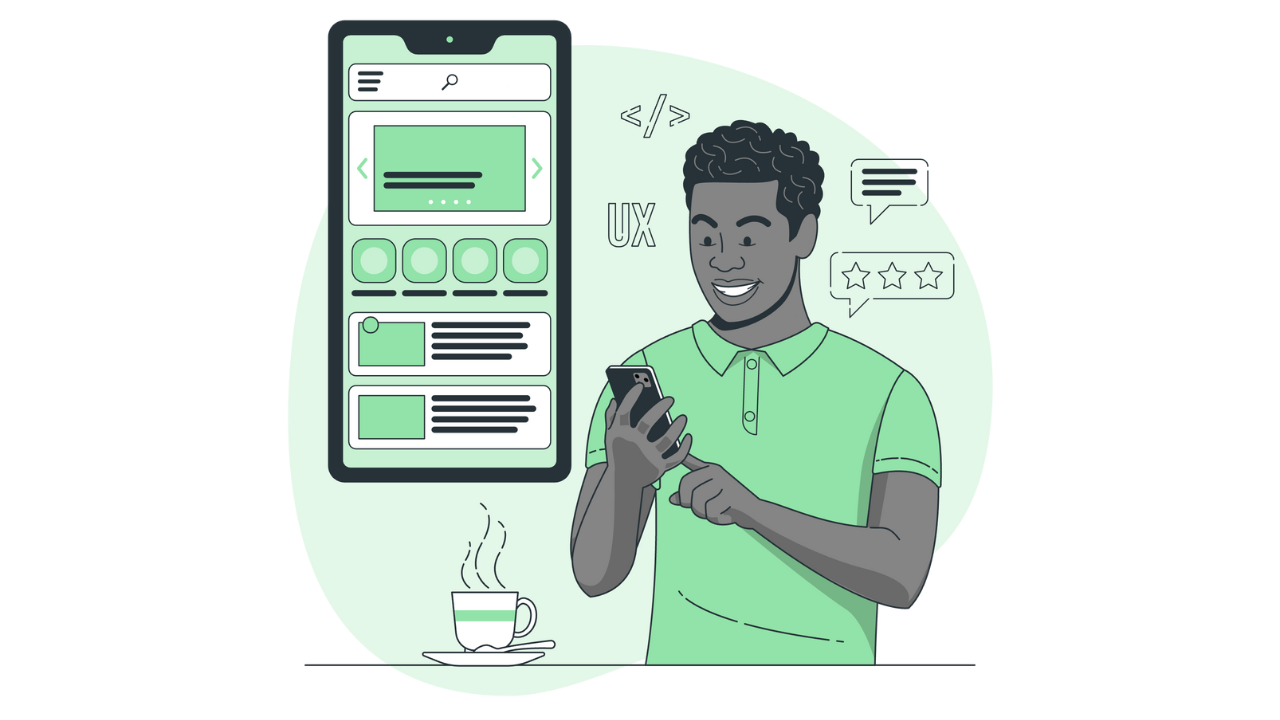
Keep an eye on new ideas and market trends. Just because the competition came up with a great idea doesn’t mean they own it. Alter it or use it as is, but capitalise on the interest in a new idea while the iron is hot. If it’s relevant to you, that is.
Several modern studies suggest that today’s customers find their information online, so if you’re lagging with an out-of-date web page or social media account, you’re harming yourself.
The immediacy of online also offers a unique opportunity to pre-empt problems. If a competitor has received a bad review or complaint, there’s no law against creating a new post about how great you are regarding the relevant issue.
An informative blog or post can demonstrate to customers that you understand why these problems occur. And you don’t even have to mention the competitor.
Reputation Management
Your reputation management comes into focus when engaging on social platforms. A well-considered engagement with a lousy customer report can turn a negative perception around. But the opposite can also happen, so tread carefully.
Most importantly, many positive reviews can outweigh the occasional bad ones, so encourage your existing satisfied customers to offer great feedback online.

(An example of a hospitality business with good reviews and engagement)
Should You Employ a Digital Hospitality Marketing Agency?
There is a compelling case for the need for dedicated, specialist digital hospitality marketers. While an in-house unit can better understand your specific hospitality business, an agency offers advantages as well.
A dedicated marketing agency could save on hiring costs and other HR headaches. They also have experience and access to tools, marketing research data, market analysis, and other digital trends that keep your strategy relevant and competitive.
FAQs about Trends for Hospitality Businesses
Do you still have a few questions about industry trends in the hospitality sector? Here are the most searched ones answered by experts.
How Do Trends Impact The Hospitality Industry?
Hospitality trends shape what guests expect and how they choose where to stay, pushing tour agencies, restaurants, and hotels to evolve. New technologies, design styles, and service preferences influence everything from marketing to operations.
What Are the Latest Hospitality Industry Trends?
AI-powered guest experiences, sustainability, and seamless, contactless service lead the pack. Voice and visual search, immersive marketing, and VR/AR storytelling are also gaining traction to attract customers and delight guests.
What Are the Three Trends That Are Having an Impact on the Hospitality Industry?
New hospitality trends pop up and shift every few months. But if we had to focus on only three for the 21st century. We’d choose personalised guest experiences at scale, seamless tech-enabled operations (including contactless service and IoT), and sustainability-driven practices.
How Is AI Used in Hospitality?
AI allows your hospitality company to offer personalised experiences to your guests, streamlining operations and enhancing service. It powers smart assistants for quick answers, optimises pricing with demand forecasts, and analyses data to tailor marketing. It also handles routine tasks, freeing staff to focus on genuine human touches that guests value.

Final Thoughts on Hospitality and Marketing
Hospitality marketing plays a vital role in your success. In marketing management, it’s helpful to play the long game. Looking for an immediate spike often yields only short-term gains. However, investing time and maintaining effort in the above considerations will yield significantly more benefits, including increased business and demand.
Watch the key trends, continue to engage, and create content that is engaging, relevant, and optimised. Developing effective hospitality marketing campaigns in-house or through hospitality marketing companies for your establishment should show positive impacts over time, with those critical pillars in mind.
! Get in touch with us now and start your SEO upgrade,

Matt is a travel entrepreneur with over a decade of experience across digital marketing, operations, and asset investment. His ventures include founding the agency Travel Tractions, successfully buying and selling multiple travel websites, and owning a boutique hotel in his home base of Cape Town. His writing focuses on the intersection of data-driven marketing and real-world business growth in the tourism sector.