Travel has undergone significant changes in recent years. The emergence of search engines and the ability to research destinations has left travellers more self-reliant than before. Now, they’ll use Google, Bing, and even ChatGPT search results before travel agents.
With numerous travel sites online, making your site stand out is essential. A strong Search Engine Optimisation (SEO) and Generative Engine Optimisation (GEO) strategy can boost your visibility and attract more customers in this fiercely competitive market.
In this guide, we’ll show you key SEO strategies that can help your travel website feature in Google search results and AI search results. Let’s dive in!
What Is Travel SEO and Why Does It Matter?
The goal of search engine optimisation is to get your content high up on the search results. Search engines like Google and Bing perform a sophisticated job of determining whether your content is relevant to the user’s query.
SEO is all about semantic relevance, also known as keywords. If you can match search intent and create a strong relevance between your product or content and a well-used search term, you’re engaging in the first step of great SEO practice.
Reaching the top of search engine results pages (SERPs) can be pretty challenging, though, and that’s where a solid travel SEO strategy comes in.
Here are the benefits of a good SEO strategy:
Looking for some expert help monthly? Check out our SEO services for travel companies for prices on our services page.
1. Boosts Visibility and Traffic
SEO works to get you better search engine rankings on the SERPs when potential customers are seeking destinations, experiences, or accommodations related to your brand. Through various techniques, travel SEO enhances your website’s search visibility, increasing your chances of gaining consistent organic search traffic in a crowded market.
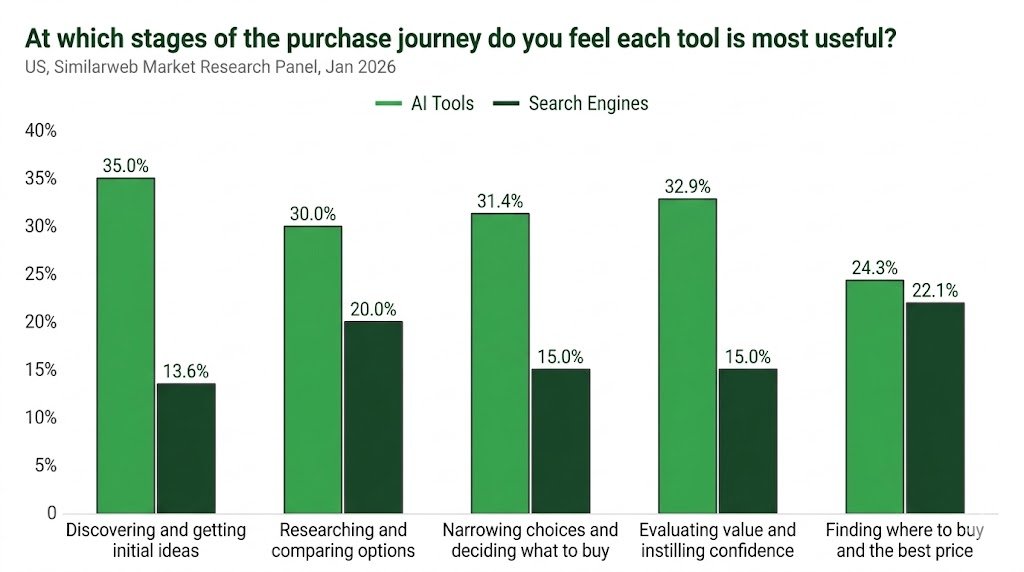
Additionally, AI-driven search traffic, influenced by platforms like ChatGPT, Gemini, Google’s AI Mode, and Grok, is growing. In fact, a recent survey by SimilarWeb found that AI search holds a 2:1 or greater advantage across every stage, from discovery to evaluation. This has created new opportunities for travel brands to drive instant visibility across various platforms through GEO practices that are grounded in SEO fundamentals.
2. Increases Conversion Rates
Many customers search for specific terms, expecting one thing, only to quickly realise it’s not what they want or need. This relates to search intent, a solid keyword research strategy, and user experience.
Without these elements, you may see an uptick in bounce rates and lower conversion rates. The average bounce rate for the travel industry is 47.6%. However, with the right SEO approach for travel and tourism businesses, there is a higher chance that casual visitors will convert into paying customers rather than just browsing.
3. Improves Brand Credibility and Trust
Users are seeking reliable, clear, useful, and occasionally entertaining information.
When customers visit your website, they should see consistent proof of authority. This includes quality content, positive online reviews, a social media presence, fast loading speeds, and optimised images. All of these elements are part of quality SEO.
4. Reduces Reliance on Third-Party Travel Platforms
Many tourism businesses and operators believe they must rely on third-party platforms, such as TripAdvisor, GetYourGuide, Booking, or Agoda, to drive organic traffic directly to their websites. This is not true with the help of travel SEO.
These SEO strategies are designed to enhance brand control and user experience, eliminating the need to rely on online travel agencies (OTAs) altogether.
5. Provides Competitive Advantage and Market Adaptability
Travel SEO empowers tourism brands to quickly adapt to seasonal demands and market trends through keyword and content optimisation. This allows them to stay ahead of competitors in search ranking, meaning you get the clicks and impressions first. As a result, you are more likely to get market leadership and be seen as a trusted authority in the field.
Keyword Research for Organic Traffic
Keyword research is the foundation for driving organic traffic to your website. It not only helps search engines recognise and rank your website, but also gets you in front of the right audience looking for your services.
Why Finding Travel SEO Keywords is Important
Keyword research is a pivotal part of structuring and targeting your content. Researching travel keywords reveals what your customers are looking for and what you should therefore try to rank for.
Using the correct keywords for travel also reveals how you should be telling your story. Tell the right story in the right way (using the right content and keywords), and you algorithmically start to target the customer you want.
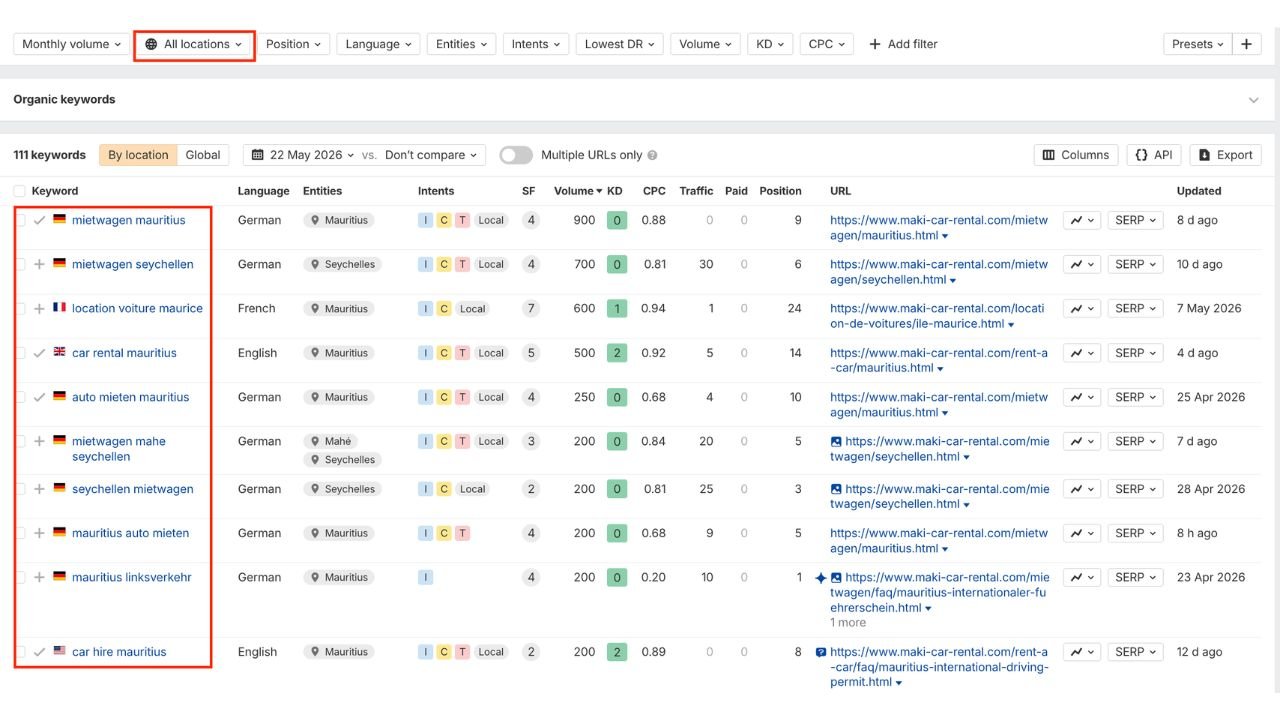
What is a Keyword Funnel for Travel
A general keyword funnel is a strategic approach to organising and targeting keywords based on the stages of a buyer’s journey. It breaks down user search queries into three main stages:
- Awareness: Broad searches where users recognise a need or seek to understand a problem.
- Consideration: More focused keywords where users compare options before making a decision.
- Conversion: Highly targeted keywords that signal affirming intention, indicating that the user is ready to buy.
By mapping keywords to these stages, travel businesses can create content that meets users’ needs at each stage of the decision-making process, improving visibility and guiding prospects toward conversion.
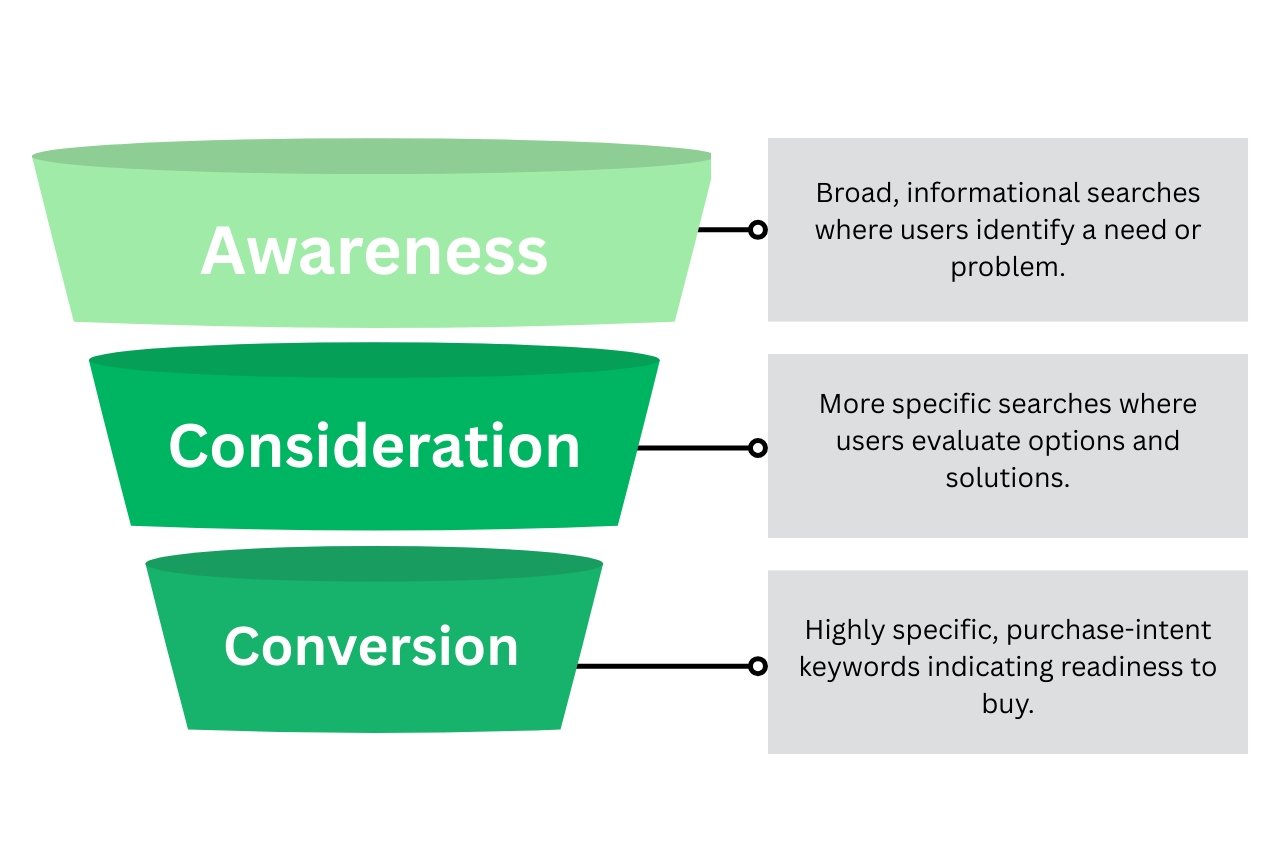
The Importance of Identifying the Keyword Intent
Properly identifying intent improves ranking success and leads to higher conversion rates by attracting the right audience at the right time.
This alignment of intent and content is best visualised through the “5 Stages of Travel”. Rather than a linear path, modern travel is a cyclical journey where your SEO strategy must meet the traveller at every distinct phase.
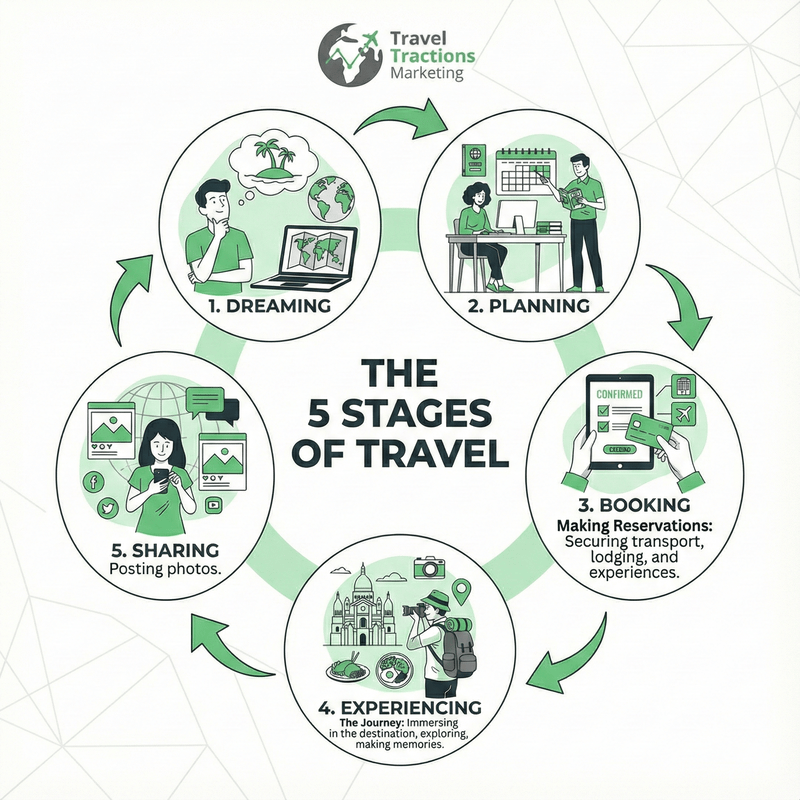
By mapping your keywords to these stages, you ensure your brand is present from the first spark of inspiration to the final review:
1. Dreaming (Inspiration)
Users are searching for broad ideas and “best of” lists. Your content should target high-volume, informational keywords to spark wanderlust (e.g., “Top 10 summer destinations in Europe”).
2. Planning (Research)
The focus shifts to details and logistics. SEO efforts here should target comparison keywords and practical guides (e.g., “3-day Rome itinerary” or “Hotel vs Airbnb in Tokyo”).
3. Booking (Decision)
Intent becomes transactional. Users are ready to commit, so optimise for high-intent keywords like specific tour names (e.g., “book luxury suites,” or “last-minute flight deals”).
4. Experiencing (The Journey)
Travellers are on the ground looking for immediate solutions. Local SEO dominates here, capturing searches for (e.g., “restaurants near me” or “activities open now”).
5. Sharing (Advocacy)
The most overlooked stage in SEO. User-generated content, reviews, and social shares create vital backlinks and social signals. This “Re-Inspire” phase feeds directly back into the Dreaming stage for future travellers, creating a self-sustaining engine of organic visibility.
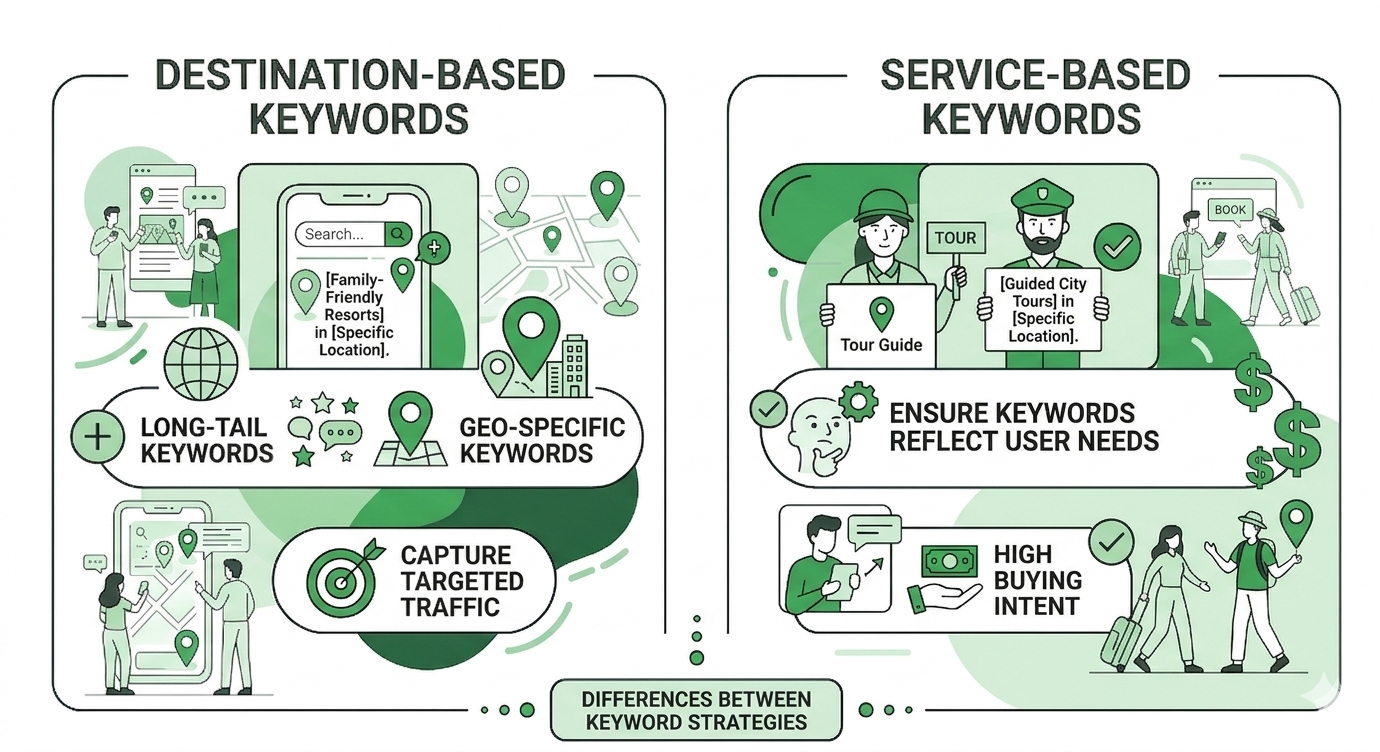
Things To Consider for Destination-Based Keywords
For destination-based keywords, it’s best to focus on specific locations combined with user intent. Long-tail and geo-specific keywords capture targeted traffic while avoiding overly competitive generic phrases.
Examples of these keywords include “family-friendly resorts in [location]” or “hidden hiking trails in the [location].”
Things To Consider for Service-Based Keywords
These keywords describe specific travel services, like “guided city tours” or “luxury airport transfers.” Ensure keywords reflect user needs at different journey stages, prioritising those with high buying intent to capture potential customers actively searching for these services.
Understanding General SEO vs Travel SEO vs Travel GEO
There is no one-size-fits-all solution in SEO. Instead, it is an amalgamation of techniques from various sectors of the internet, ranging from technical problem-solving to image and video best practices.
Here is a quick breakdown:
General SEO
SEO focuses on optimisation strategies specifically for search engines, such as Google, Bing, DuckDuckGo, and Yahoo, to name a few. Typically, SEO specialists focus primarily on Google’s algorithm, as it dominates the global search engine market, but these general strategies are effective on other search engines as well.
General strategies involve:
- Targeting high-traffic and relevant keywords
- Optimising site architecture
- Creating high-quality content
- Establishing high-quality backlinks
Its techniques are relatively wide and can thus be applied to a range of sectors and industries.
Travel SEO
General SEO paints with a broad brush, and while travel and tourism SEO uses many of the same techniques, general SEO cannot fully leverage the potential of a travel-focused strategy.
Instead, travel search marketing campaigns require a more nuanced approach, focusing on:
- Travel intents
- Seasonal fluctuations
- Location-specific SEO strategies
- Targeting tourism-specific keywords, like “luxury hotels in Rajasthan”.
Travel SEO also emphasises local and international SEO, user experience, and the creation of inspirational content. But we’ll dive into this topic in more detail soon!
The Rise of AI Search and Travel GEO
AI search tools like ChatGPT, Gemini, Grok, Google’s AI Mode, and many others have fundamentally changed the traveller’s booking journey. Travellers can now get essential information at the discovery and planning stages directly in an AI chat, without ever really needing to visit a search engine or website.
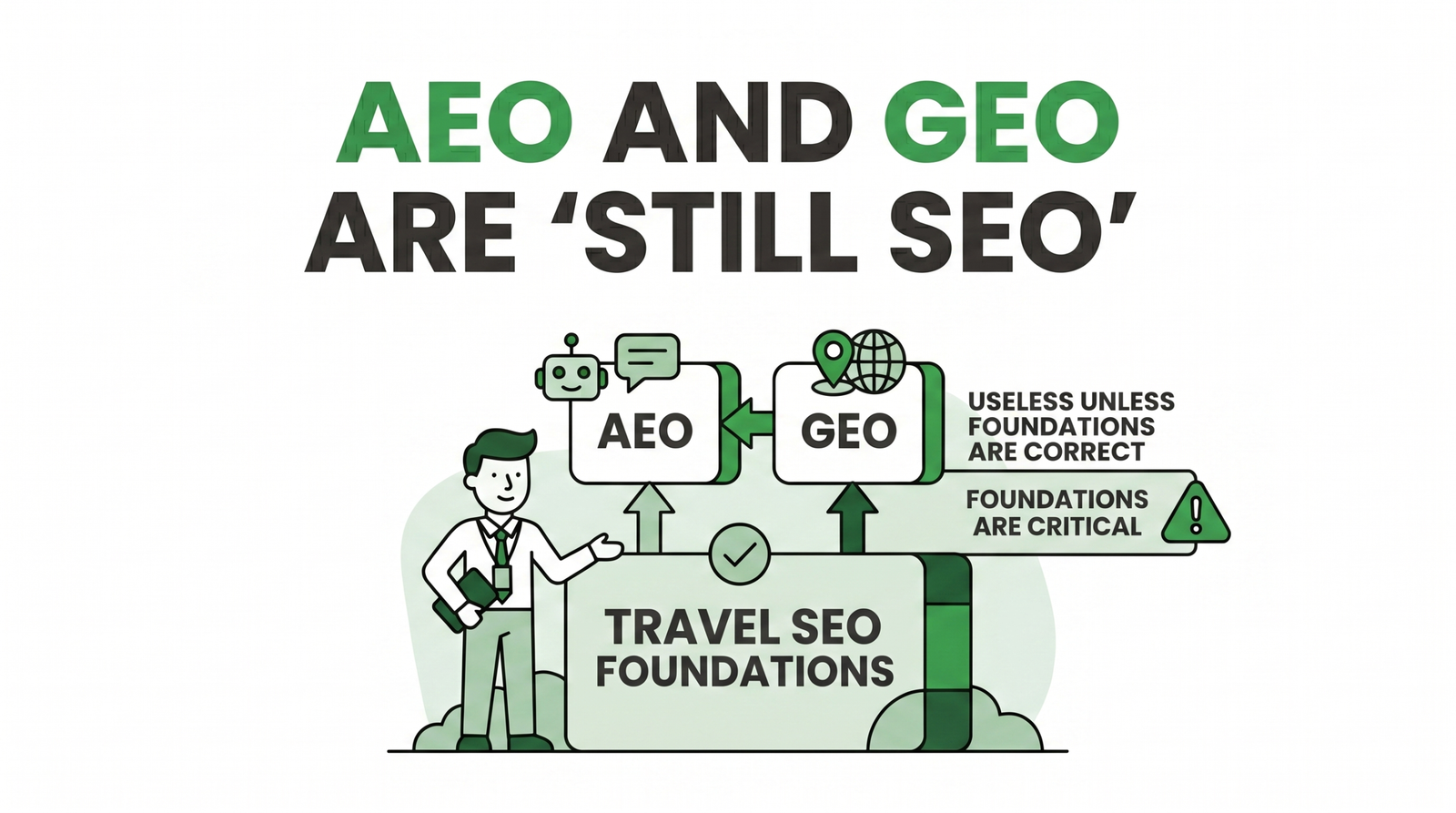
This has resulted in a significant drop in organic traffic for all industries, especially travel. You may have heard terms such as Answer Engine Optimisation (AEO) and Generative Engine Optimisation (GEO) float around as the “new” SEO.
But what you really need to understand is that AEO and GEO are fundamentally built on SEO foundations. In fact, Google’s new AI Search Guide calls GEO and AEO “still SEO”.
In other words, if your SEO isn’t good, there’s no real point in trying to appear in AI results. You need to start from the ground up. So before you click off and start looking up GEO strategies, it’s time to cover the fundamentals of travel SEO in detail.
SEO Factors That Impact SERP Rankings in the Travel Industry
Certain ranking factors influence how organic search engine algorithms evaluate travel industry content. Of those, these are considered the most important.
Bear in mind that from time to time, the algorithms evolve and become “smarter”. So these sometimes change very slightly and may require regular content optimisations and updates.
What we know for sure is that travel is visual, and most of your wins will come from this. Make sure to include video and images in your SEO strategy.

1. Travel SEO Competition
It’s worth knowing what you’re competing against. All travel-related businesses are competing for those top rankings. There are also influencers, personal bloggers, and recreational services looking for a slice of the same audience.
The best advice we can give is to be specific about what you offer. Five years ago, this wouldn’t have worked, as people engaging with search engines used very general terms, but things have changed. Search has become more conversational, with people searching for more specific queries in search engines and AI search.
How to Fix it:
Your ultimate goal is to get to the top of a search engine and get cited in AI results. This will place you on or near the top of an audience’s choices. The specific focus of your content should therefore reach out to that audience in an organic way.
This specificity puts you top of mind for your unique niche. And then, when users engage, you can provide a great user engagement experience.
2. High-Quality Content
A page that promises a particular kind of quality content should deliver that. In other words, if a user arrives looking for information but instead gets a big sales pitch, you’re not aligning with the search intent, and they will leave. Search engines will see this as a sign that your content is irrelevant to the search term and will rank you lower.
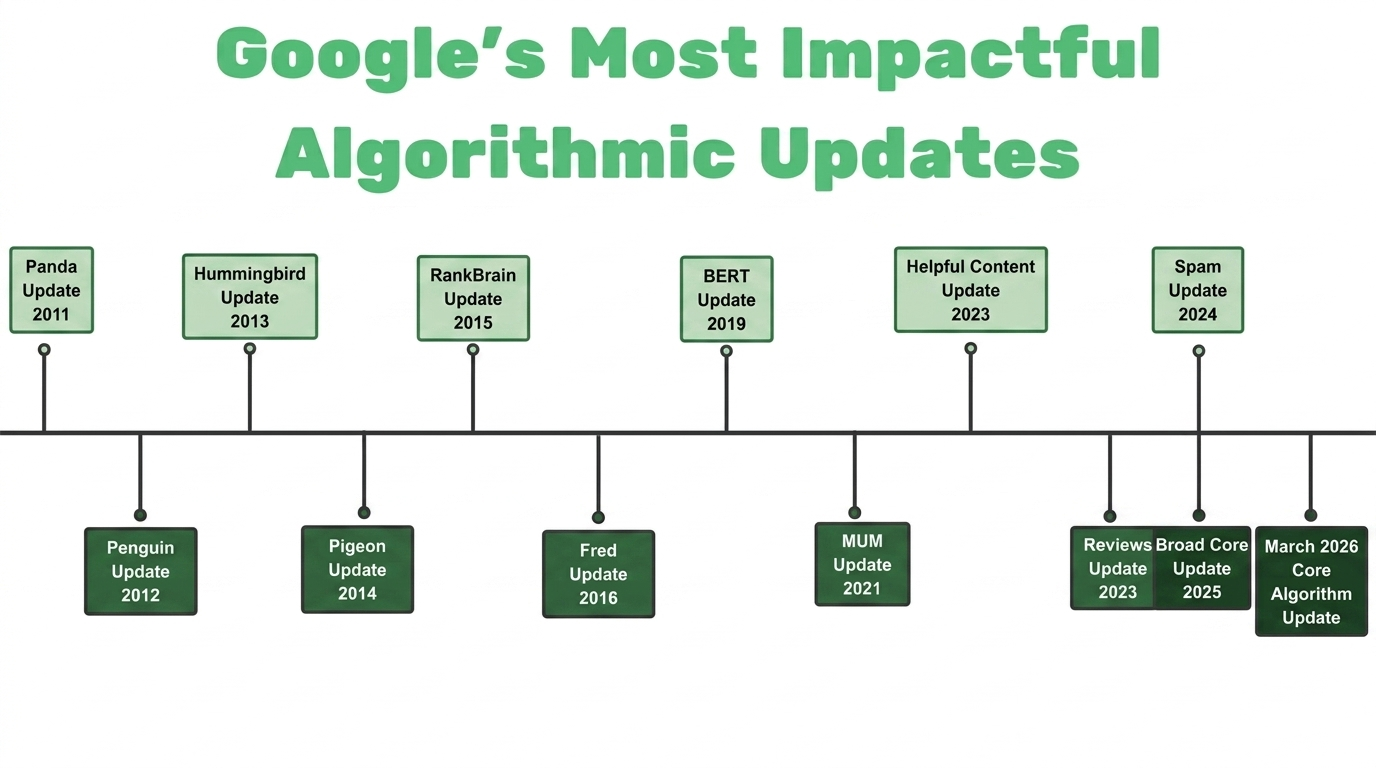
Luckily, Google often tells you precisely what it wants from your content through its algorithm updates aimed at improving search results. These updates are mainly done to discourage manipulative practices and low-effort slop from its users.
Google’s Helpful Content and Spam Updates are the most impactful algorithm updates in this aspect. These aim to reward websites that produce original and helpful content that answers users’ needs and questions. Any sites with thin content, link spam, or signs of domain or site reputation abuse are penalised.
How to Fix it:
Consider a content optimisation strategy that updates outdated content with more suitable keywords, links, and helpful information.
Bulleted or numbered lists within articles also enhance readability. They can help your content snatch the AI Overviews. Provided, once again, that they are relevant and seen favourably by search engines.
3. External and Internal Links
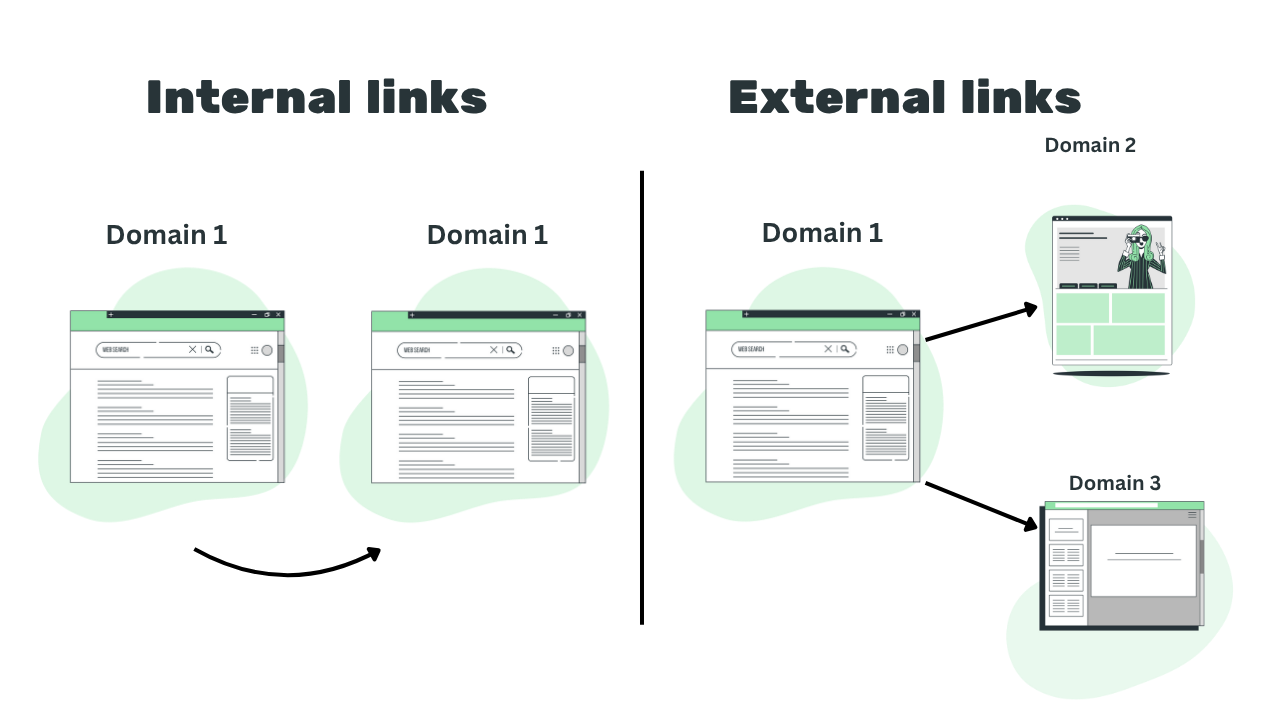
Links are a huge ranking factor in SEO as they help establish site architecture and improve crawl efficiency. There are generally two types of helpful links: internal and external.
Internal links are any hyperlinks that connect pages on your site to other pages within the same domain. Think of these links as pathways that allow users (and search engines) to easily navigate your site.
External, or outbound links, are hyperlinks that point from your website to other domains. These links should ideally point to trusted sites with high authority rankings to signal that your site is connected to authoritative resources.
How to Fix it:
Travel sites with a massive volume of pages will find this especially helpful. Linking destination activities, guides, and accommodation pages to location subpages will not only improve navigation but also enable users to view relevant content, thereby engaging them more and increasing your conversion chances.
Creating outbound links is an excellent SEO strategy, as it allows you to link out to official national parks, organisations, restaurants, attractions, and event sites, strengthening industry networking and partnerships.
4. Referring Links and Domain Authority
Referring links are backlinks from other domains pointing to your website’s pages. Sites with high domain authority are incredibly valuable because they signal to search engines that your content is valuable and relevant.
A link-building strategy is a highly recommended component of an SEO strategy. Ideal referring links for travel sites come from tourism boards, travel blogs, and news outlets, as they increase your site’s credibility.
A site with a higher domain authority shows you’re an expert in your field and will push your content to better positions in search results. It also increases the likelihood of being cited in an AI search.
How to Fix it:
Reach out to brands, news outlets, and influencers to build a strong, diverse portfolio of referring domains. This ensures your content is well-regarded across platforms, helping build domain authority. This is crucial for outperforming your competitors.
5. Content Relevance
Proper content marketing requires relevant content. The most important thing here is that your content aligns with a searcher’s intent. The content also needs to provide value, not just generic “advice” found on every other website.
Google evaluates content relevance based on how your webpages correspond to the underlying content and keywords. This is to ensure you answer users’ questions clearly and emphasise topic depth.
If this relevance wasn’t important already, a recent study found that 44% of ChatGPT citations come from the first 3rd of your post. In other words, if you don’t match the intent from the start and answer key questions as soon as possible, your page will be invisible to AI crawlers.
How to Fix it:
Conduct a thorough content audit to map your content and sort it by its relevance to your site. Does it offer helpful advice or value, or is it just fluff? Is there any duplicate content?
From there, choose which content is worth optimising and which topics need more high-quality content. Cover all aspects of targeted travel topics, from industry news to FAQs.

Key Aspects of SEO for Tourism Brands
Next, let’s have a look at the on-page, off-page, and other travel industry SEO tactics that can help your website get on the right track.
1. On-Page SEO for Travel Websites
On-page SEO is everything you see on your website. This includes content and how a webpage looks to users and search engines. There are a few ways to optimise these pages for your travel business.
Heading Tags
Heading tags are elements like the main heading (H1) and subheadings (H2, H3, etc.). These help structure your webpage so users and crawlers can easily understand the page’s main topics, enabling them to scan long-form content more effectively.
Tip: Always make sure the H1 is your first heading on the page and features your primary keyword for the page. Ensure there is only one H1 per page.
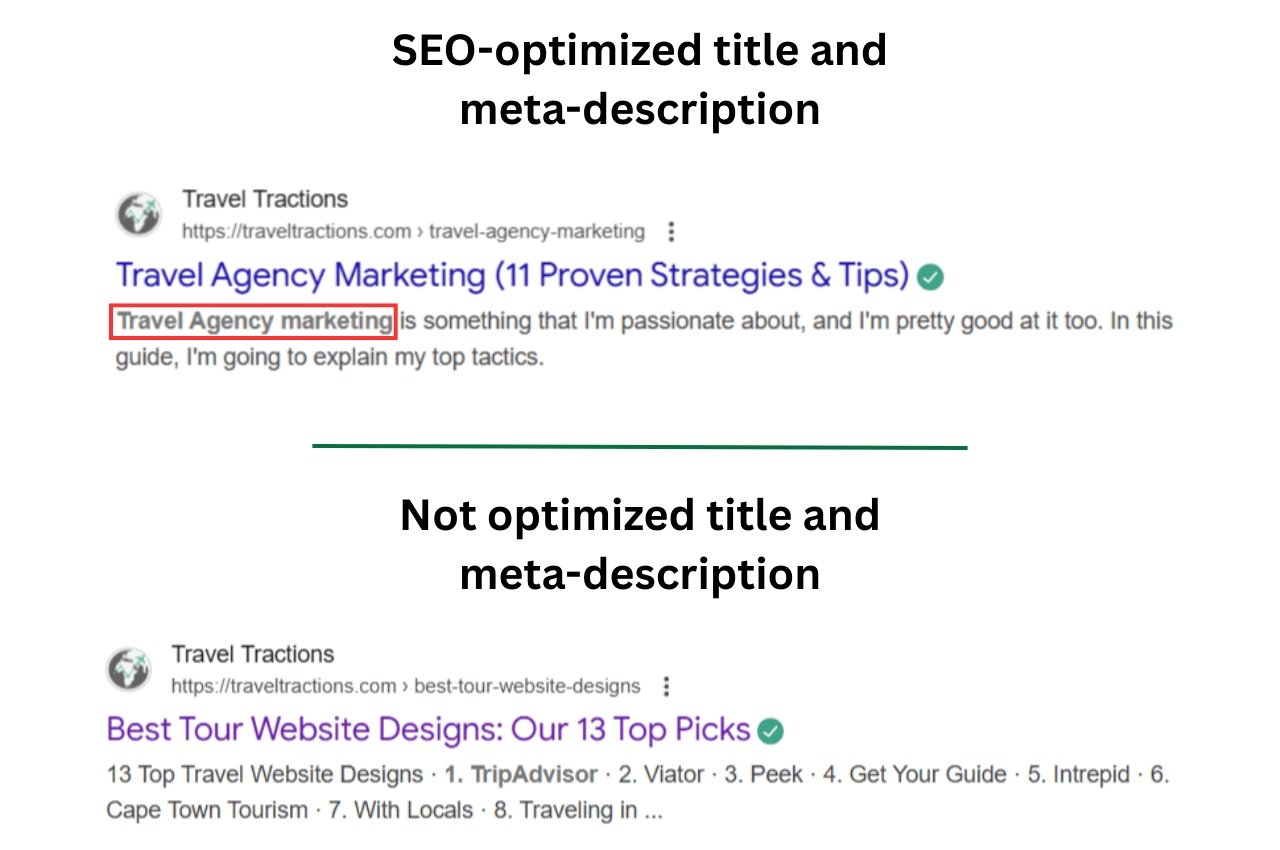
Meta Data
Metadata coding makes your site more relevant to search engine bots, guiding them and travellers through your content efficiently. Metadata includes:
- Meta descriptions
- Title tags
- Headers
- Alt text
- Schema markups
- Blog authors
- Social media tags
- Meta robots tags
Internal Linking
Internal links connect pages within your website, which we covered in detail earlier in this guide.
The point of internal links is to guide both search engines and users to related content on your site. This helps distribute page authority and signals topical relevance across your website by creating topical clusters. If you do this strategically, you can reduce your website’s bounce rate by keeping users engaged.
Create Illustrative Descriptions
Using visual language and descriptions of destinations makes it easier for guests to imagine themselves in these scenarios because they now have an emotional connection. This, combined with precise SEO practices, transforms casual browsers into eager bookers, driving higher conversions and making your travel brand their ultimate choice.
Image Optimisation
In the travel industry, high-quality visuals are non-negotiable. Travellers want to see the destination before they book. However, search engines cannot “see” images the way humans do; they read the data behind them.
To ensure your images boost your SEO rather than slowing down your site speed (a critical ranking factor), focus on the following:
- File Size & Format: Large, high-resolution images can kill page load speeds. Use next-gen formats like WebP and compress images to balance quality with performance. Also, implement lazy loading for your images to further optimise page speed.
- Alt Text: Alternative text describes the image to search engine bots and screen readers. Instead of “IMG_001,” use descriptive text like “couple hiking Table Mountain at sunset.”
- File Names: Rename your files before uploading. A file named luxury-safari-lodge-kenya.jpg is far more valuable for SEO than DSC5543.jpg.
Video Integration
Video is rapidly becoming the most consumed content format in travel. Including video content such as hotel walkthroughs, destination drone footage, or customer testimonials can significantly increase “dwell time” (how long a user stays on your page) and their trust in your brand.
Google and other search engines interpret longer dwell times as a signal that your content is valuable, which can improve rankings. To get the most out of video SEO:
- Embed, Don’t Host: Avoid uploading videos directly to your website, as this slows page load times. Instead, host them on YouTube or Vimeo and embed the link.
- Video Schema: Apply VideoObject schema to help Google understand the video’s content, duration, and thumbnail, increasing the chances of appearing in video search results.
- Transcripts: Including a text transcript makes your video accessible and allows search engines to crawl the spoken keywords within the content.
2. Off-Page SEO
Off-page SEO for tourism marketing refers to any activity that improves your website’s rankings among travellers and search engines without altering the website itself.
Social Media and Influencer Engagement
Social media campaigns are essential for travel SEO because they amplify your audience reach across different platforms. And now that Instagram, TikTok, YouTube, and Facebook are indexable on search engines, social media campaigns can also appear directly in the SERPs.
Collaborating with influencers helps build social proof and get more impressions and clicks. Social sharing also leads to more backlinks from other sites, enhancing your domain’s ranking potential and trustworthiness.
Encourage Positive Customer Reviews
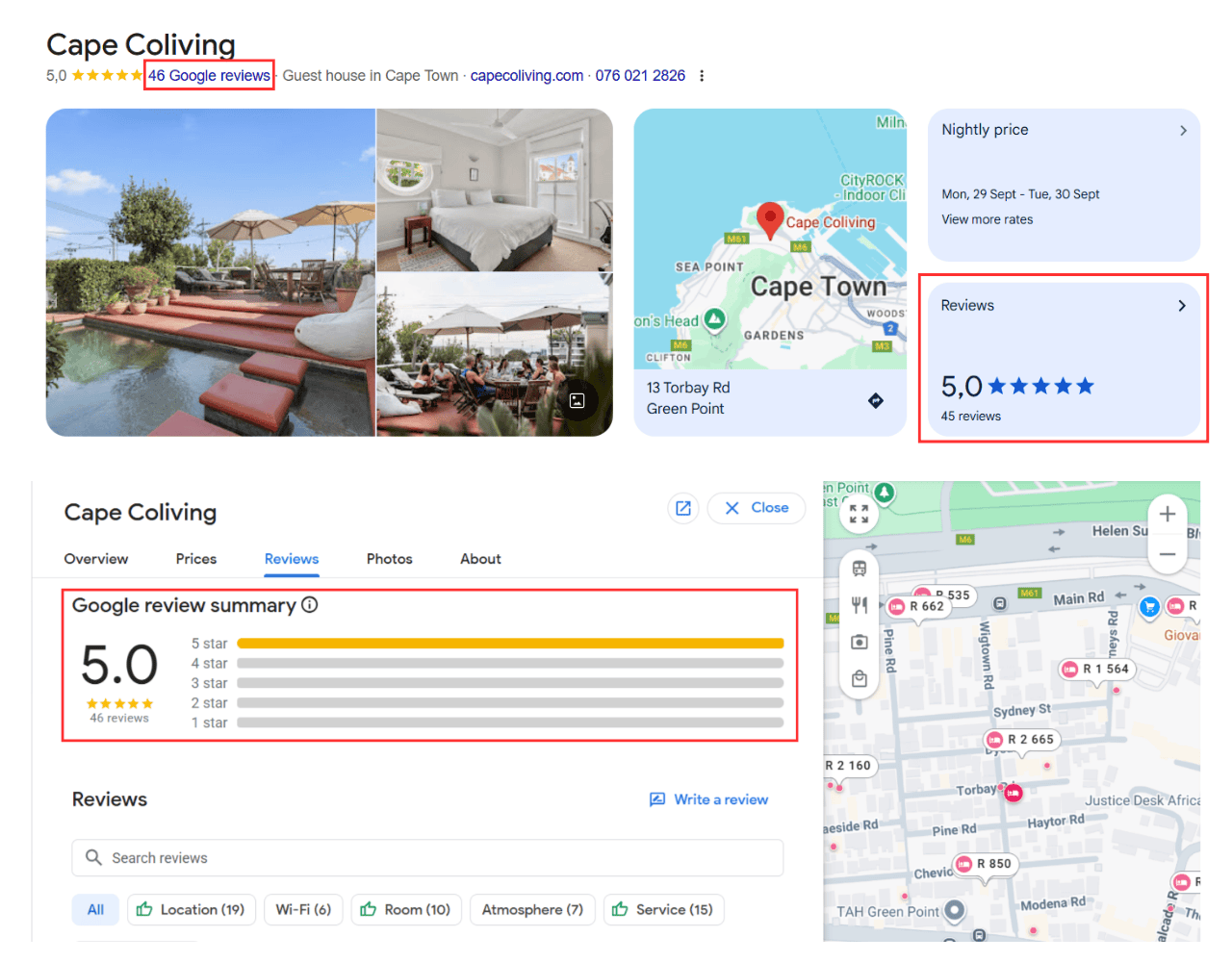
Customer reviews serve as social proof for potential customers who are still deciding whether to book your services. Receiving numerous positive reviews conveys the message that your services, accommodations, or tours are credible and trustworthy. Google also values review count and ratings as key local ranking factors.
3. Mobile Optimisation
If you didn’t know already, Google is now using mobile-first indexing. That means if your website’s mobile performance is poor, it’s unlikely you’ll do well in the SERPs. So, optimising your website to work well on mobile phones is critical.
Mobile friendliness is also an important factor. This includes resizing buttons, reducing text size, and horizontal scrolling.
Responsive Design
Responsive design means your website resizes smoothly across different devices and screen sizes. This enhances user experience and improves website navigation by optimising content for smaller screens, compressing images, minimising code, leveraging browser caching, and adding adequate spacing around buttons and other clickable elements.
Streamline the Booking Process
Mobile-friendly features can improve bookings by making the process seamless and quicker for users. Adding features such as one-click booking, secure online payments, and the ability to save payment details for future bookings can speed up the reservation process and build brand loyalty.

3. Technical SEO Issues in the Travel Industry
Technical search engine optimisation is all about the coding structure of your web pages. This is primarily about ensuring your content and site are SSL-certified, have no duplicate content, load effectively, and are readable on all platforms.
Site Speed
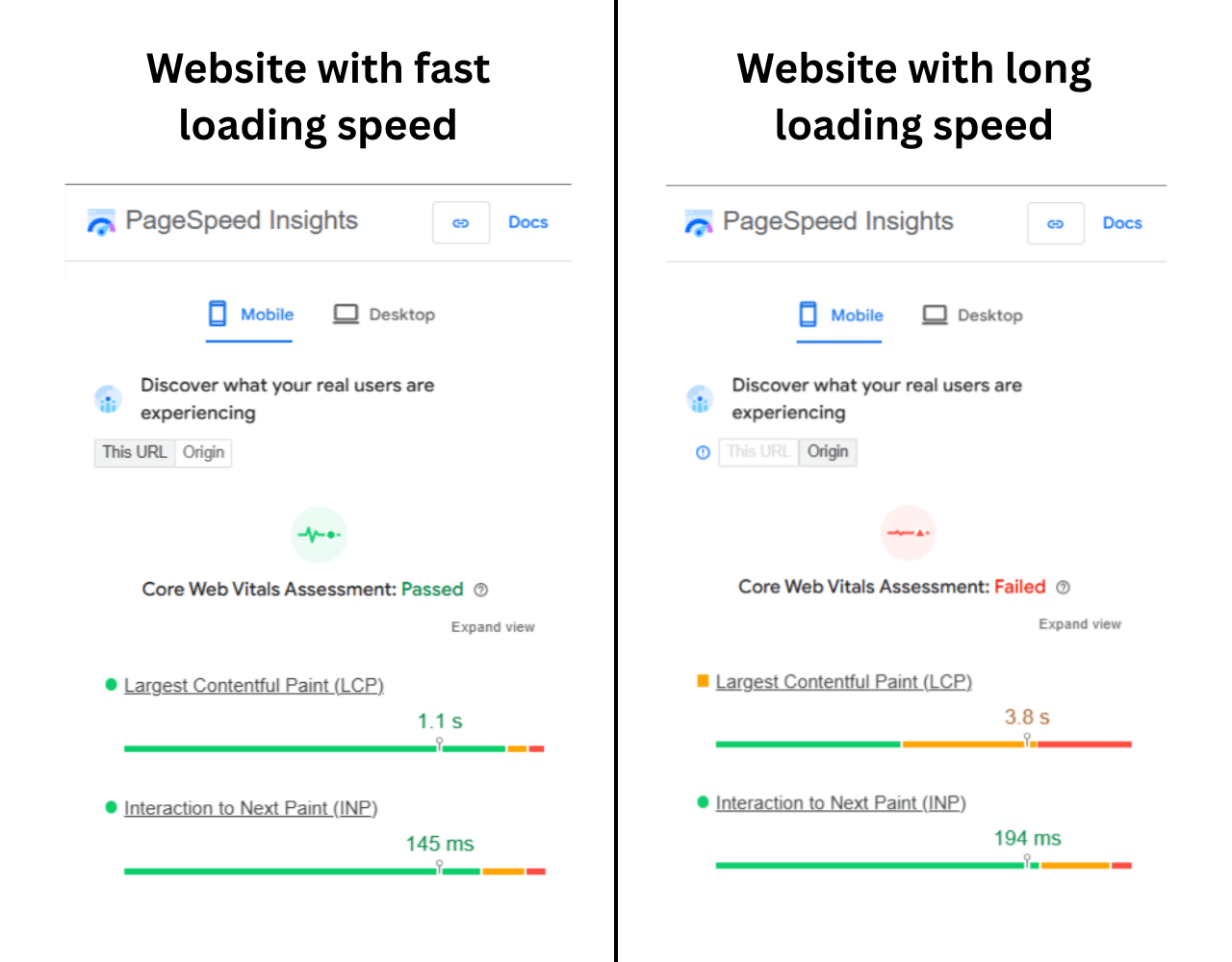
One of the top technical SEO factors in the travel industry is how quickly your site loads, as this directly affects bounce rates and user experience. Google favours websites that load quickly, improving crawlability and indexation and boosting your organic visibility. Plus, page speed affects Google ads and their performance, making site speed even more important.
Tip: Check your Core Web Vitals in Google Search Console. It provides a lot of information on how to improve your website.
Travel Structured Data Markup
Structured data, also known as schema markup, is a set of code that helps Google and AI crawlers better understand your page’s content. For schema markup for travel agencies, these can include reviews, product details, accommodation details, and FAQs.
By adding structured data, your site gains a few benefits:
- Rich snippet features
- Improved machine learning
- Greater search visibility
- Higher click-through rates
- Higher chance of getting voice search queries
- Ability to control your information
A Note on FAQ Schema for Travel Brands
FAQ schema is a great way for you to help Google and AI tools identify quick answers to common questions asked across the internet. This can be especially useful for travel brands, as you can answer those zero-click keywords from long-tail queries before a user begins in-depth research.
You should use FAQ schema sparingly, though, as Google recently discontinued FAQ rich results. Why did they do this? Because it was being misused to manipulate the SERPs.
But it still has a place, as it can help significantly with AI search results. But the moral of the story is only to use it on your high-intent pages, and only use it where you genuinely have a FAQ section on the page.

4. Reputation Building & Link Building for Tourism Brands
Link building is an SEO strategy that emphasises acquiring high-quality backlinks from authoritative sites. High-quality link building should be a component of a comprehensive SEO marketing strategy.
Identify Broken Links
While building links is important in SEO, it’s also essential to fix broken links already on your sites. This is because broken links harm both search engine rankings and user experience. Search engines rely on links to crawl and index your site, and broken links hinder this process and reduce your visibility.
Broken links also show poor site maintenance, which will decrease your site’s credibility and authority with your audience. As a potential client willing to spend thousands on travel experiences and accommodations, finding a professional and credible website is essential.
Directory Submissions
A trusted local directory submission is important for link building in the tourism industry, as it offers high-quality backlinks from niche-related directories. This improves visibility, signals credibility to search engines, and drives targeted traffic.
Here are a few example high-authority directories:
- TripAdvisor
- Yelp
- Expedia
- Foursquare
- Hotfrogg
- B2B Yellow Pages
- eLocal
News and Press Releases
A mention and link on a major news or travel site with strong domain authority can drive organic traffic and significantly increase your authority ranking with search engines. When travel brands distribute newsworthy press releases, such as the launch of new destinations, services, or events, they increase their chances of being featured by journalists.
Even if press release links are often “no-follow,” the earned media coverage leads to high-quality backlinks, signalling relevance and authority to Google.
Why Brand Mentions & Citations Are So Important
These branded mentions and citations, even unlinked, are among the strongest signals to Google and LLMs that you are a legitimate, authoritative source.
A couple of years ago, we would only recommend trying to get ‘dofollow’ links. Now, the semantic relevance is more important. This means you don’t need those blue links to help signal to Google and LLMs that you’re legit. Simply having your brand name and members from your team mentioned across publications, podcasts, and news outlets can be a strong enough signal.
That said, blue links are still very powerful, but this semantic relevance can make brand recognition building far safer from a Google best practices perspective. This is because it won’t look like you’re manipulating the system by having links to your site on every mention across the internet.

5. Local SEO for Travel Businesses
Local SEO is an often-ignored but vital aspect of new digital marketing. By doing something as easy as using local keywords, you can target local searches and gain organic search results.
Consider this scenario: “You’re visiting a town, and you want to know whether there’s a nearby restaurant, hotel, or other services. You use your phone to check what’s in the area with tools like Google Maps.” Local SEO taps into this need.
Optimise your Google Business Profile
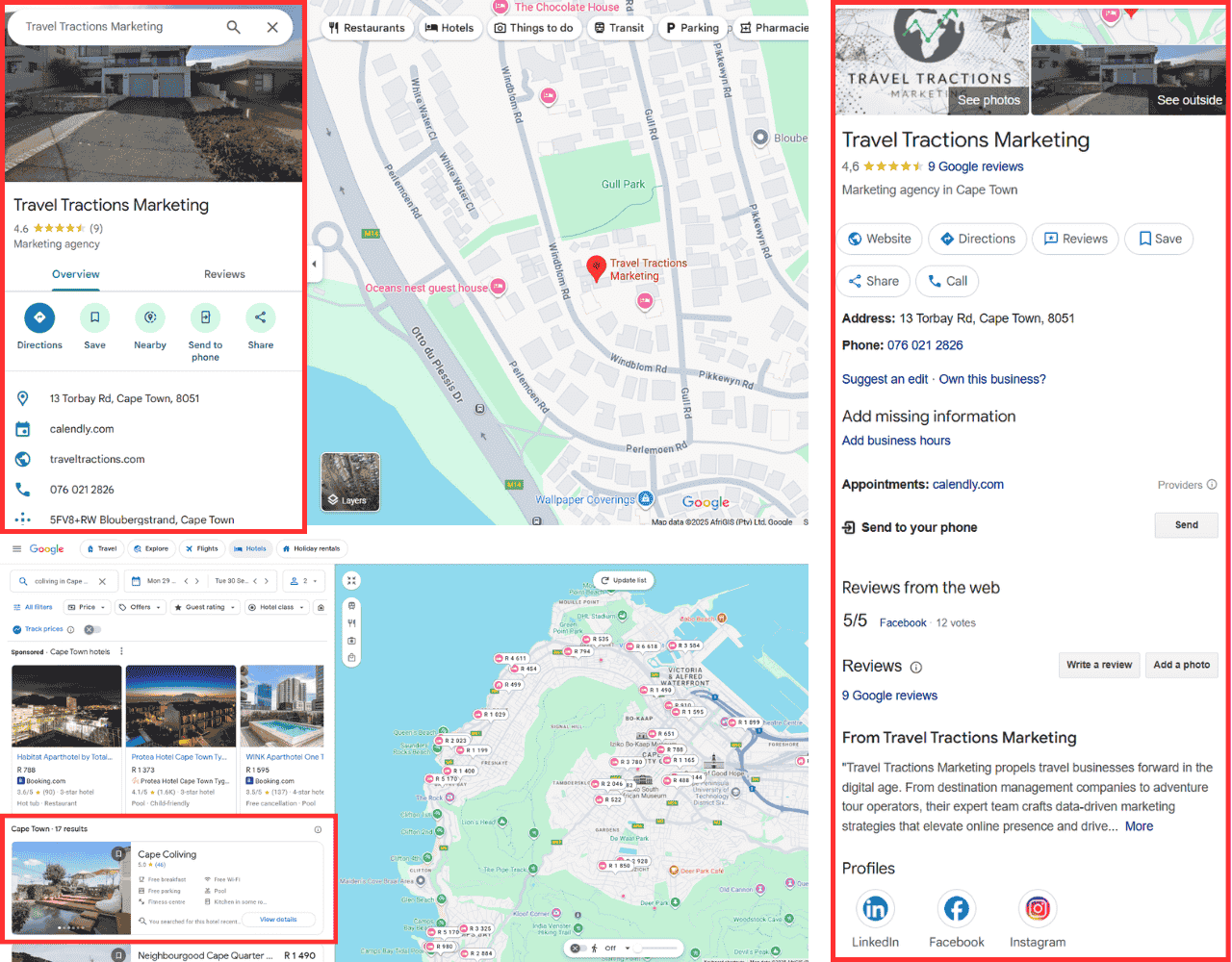
The first step to attracting local traffic is to ensure your Google Business Profile (GBP) is up to date and optimised. This allows your business to rank for location-based keywords, increasing its domestic online presence. A well-put-together profile also increases trust and credibility for your business.
Local Landing Pages
Create landing pages focused on specific locations, such as cities or neighbourhoods. This helps narrow the page’s intent to match a place-specific search and increases the chance that people get exactly what they are looking for.
Partner with Local Businesses
Although it may seem trivial in the grand scheme, networking with local businesses can actually help your SEO efforts. By collaborating and sharing guest posts, you create backlinks and demonstrate to Google that you are a credible source, recommended by other businesses within your local area. 6. Content Strategies

In many respects, this is the meat of the travel SEO meal. Content marketing is all about providing content that is interesting, engaging, and ultimately presents your travel business in its best light. In your case, that may mean selling tours, hotel rooms, or travel gear.
What this means is that the page your potential customer lands on should seldom drive the hard sell. Instead, it should address the reader’s question or concern.
Keep it Fresh
Content on your site should remain fresh and relevant to ensure users return time and again, looking to you as an authoritative source. To reduce the number of optimisations you need to make, consider evergreen content, which can remain relevant for many years.
Tip: Read our content marketing ideas for travel agents to help you structure your content.
Topic Clusters
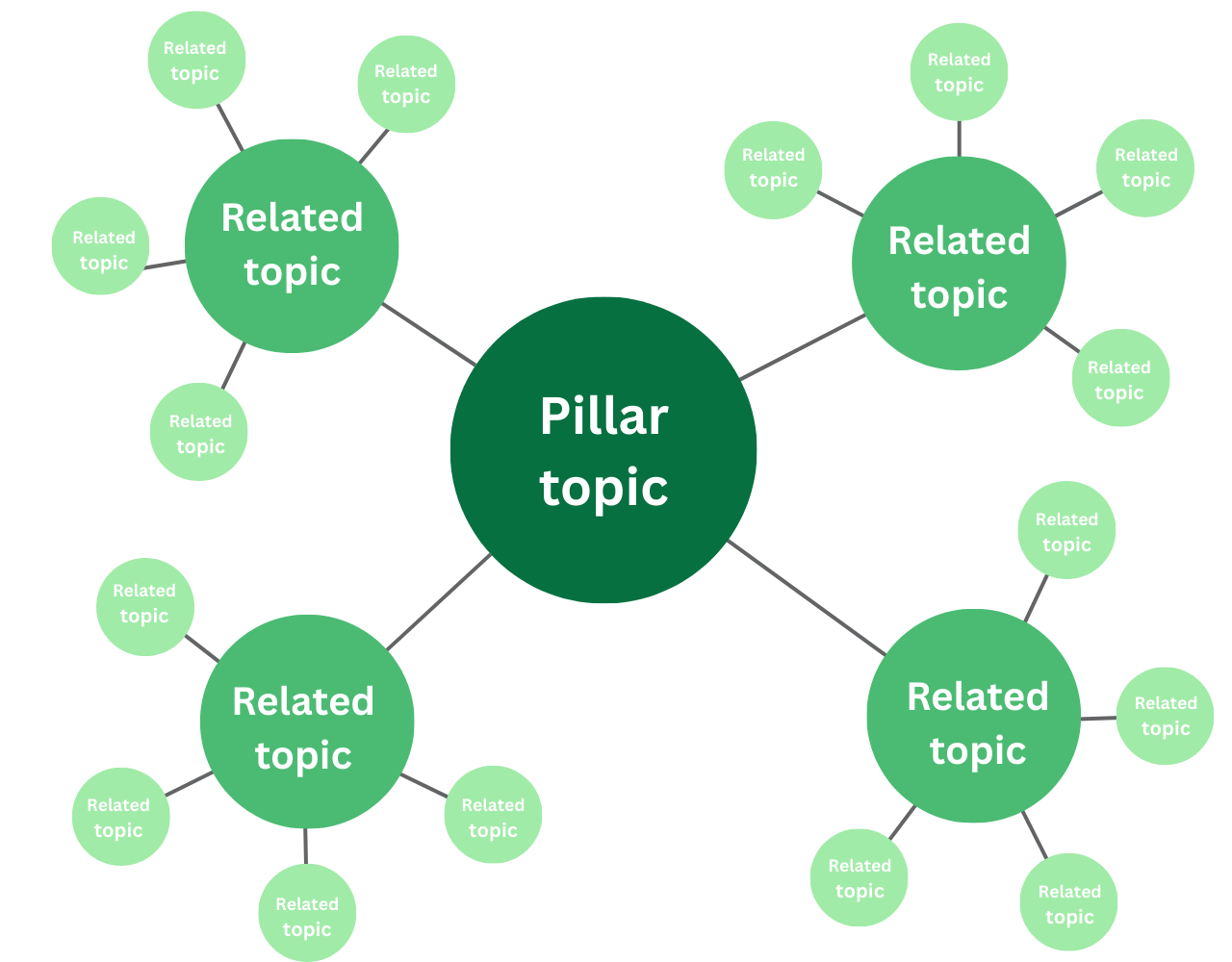
Creating topic clusters is an effective way to plan how to group relevant and related themes. This could be categorised by destination, type of accommodation, or travel experience.
For travellers, topic clusters enhance the user experience. These provide easy navigation through related, detailed travel content, keeping visitors engaged longer, reducing bounce rates, and building trust in your brand as an authoritative travel resource.
Internal linking between pillar and cluster pages distributes SEO value across your site. By doing this, you can enhance crawlability and help search engines better understand your site’s structure and topic relationships.
Learn from Top Competitors
Fake it until you make it. See what your close competitors are doing, then emulate and elevate it to make it relevant to you. Through thorough research, you’ll be able to identify the keywords they’re targeting, their content formats, user engagement tactics, and publishing frequency, as well as how these factors contribute to their ranking potential.
SEO Tips For Travel Websites
Assuming you now have a travel website that is SEO-friendly, relevant, and attractive with lots of helpful content, the focus moves to building credibility and authority.
Focus on the User Journey
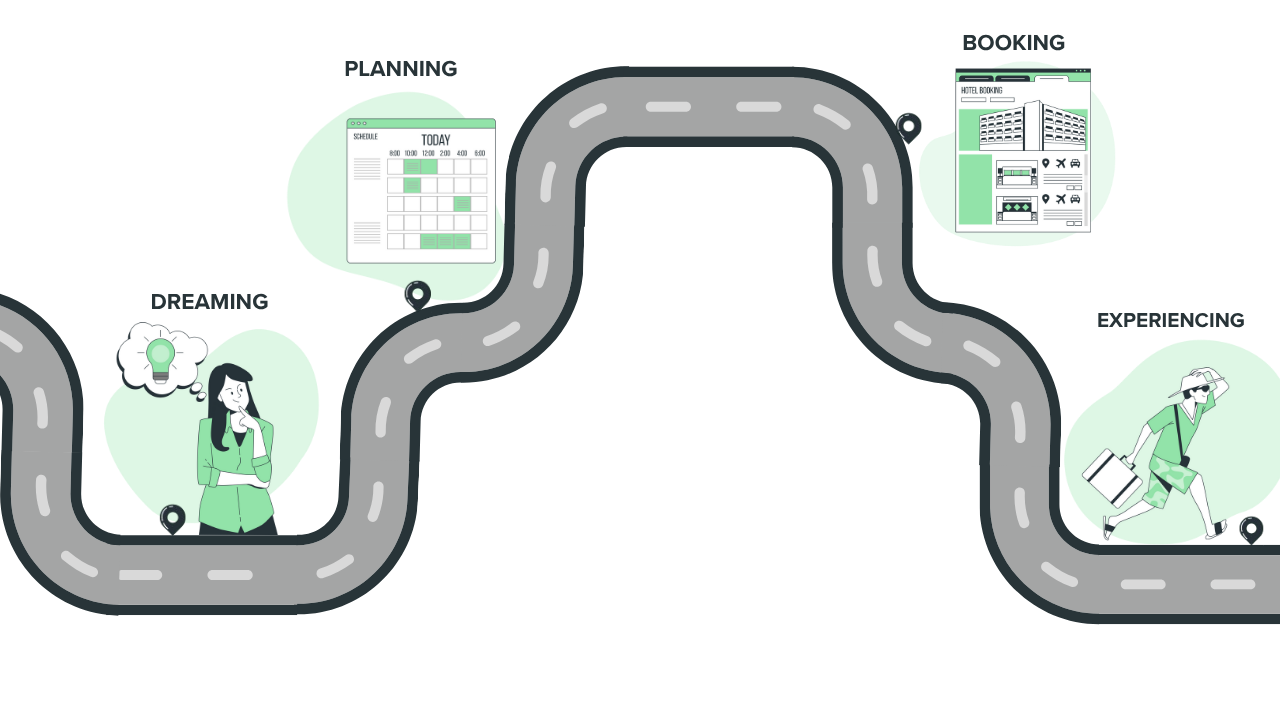
Google’s research suggests that travel-interested customers essentially have four emotional and psychological “moments” on their journey to committing to travel.
- Dreaming: It all starts with the “maybe I should look into going here” mind.
- Planning: When something has caught the eye, the possibilities are being explored.
- Booking: This is when they have committed to travel.
- Experiencing: Once they are actually at their destination, is the experience pleasant or not?
Google suggests that travel industry-focused content addressing each stage of the traveller’s journey increases your chances of engagement. Think of it as casting your net wider to reach more people, but with a tighter mesh to capture the right people.
Get Onto the Right Platform
The focus of your campaigns and the content you create is mainly dependent on what you’re trying to achieve. For example, some might feel their brand is better suited to platforms such as Instagram or YouTube, especially if they can afford great-looking imagery and video content.
Another brand might want to talk through long-form, readable blog content. The advantage here is that organic traffic is driven directly to a site for that content.
Both approaches, in their own way, build brand authority. And both aim to connect visitors with their offerings. It depends on what your objectives are. Either way, careful curation of the SEO element of this content is essential.
Keep an Eye on New Markets
Market research is still an essential component of a digital marketing strategy. Applying the insights from the data to your SEO strategy is an excellent idea.
For example, is the outbound tourist market from China increasing rapidly? Why not consider content (and SEO, accordingly) to attract those eyes? Discovering your audience’s interests and addressing their needs in your content can yield significant benefits.
Please keep in mind that your product needs to be prepared for any anticipated shifts in the market, as well as in your content offerings.
Common Travel SEO Strategy Mistakes & How to Avoid Them
Even seasoned experts can make these common SEO mistakes. Here’s how to avoid them.
1. Creating Poor-Quality Content
More words don’t necessarily mean better content. Google rewards helpful content that follows its E-E-A-T (Experience, Expertise, Authority, Trustworthiness) and YMYL (Your Money or Your Life) frameworks. Conversely, you are more likely to be penalised if you create thin content that lacks originality.
Focus on creating in-depth and original content that thoroughly addresses the topic. Aim to also answer potential follow-up questions the reader might have, include relevant details, data, and expert insights, and structure your content clearly with subheadings.
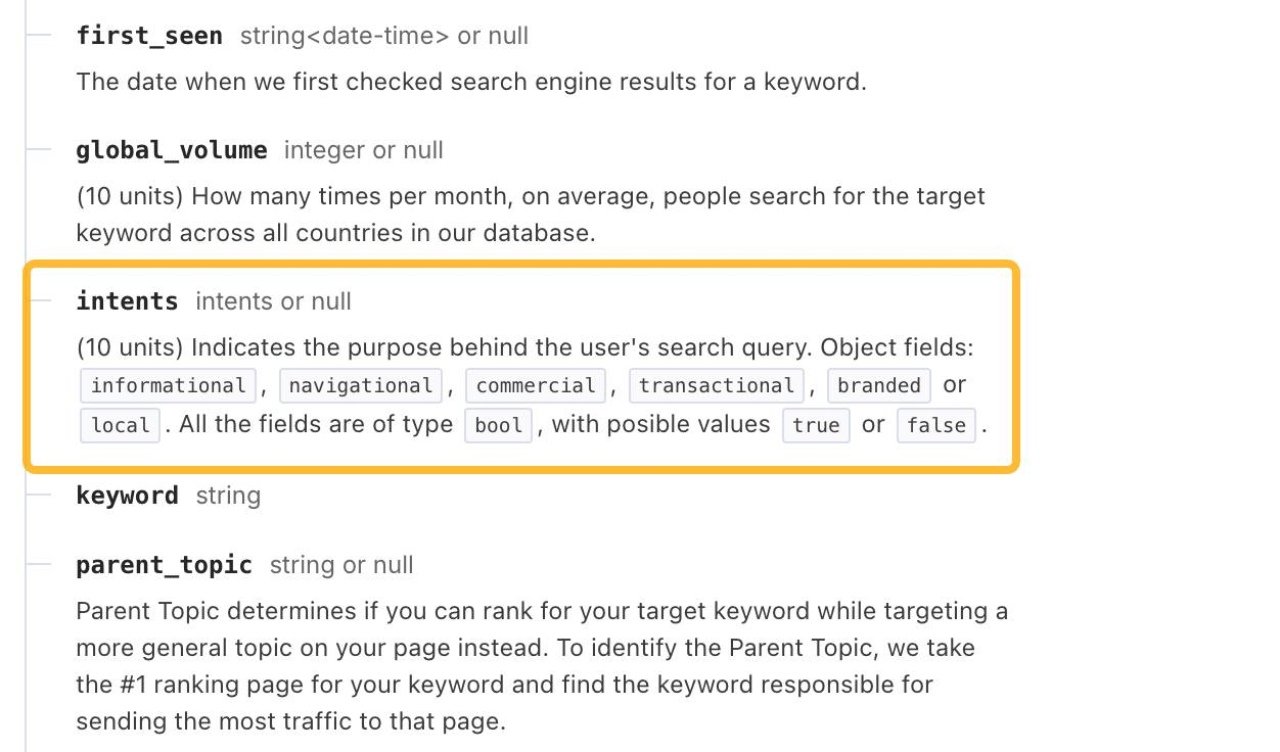
2. Ignoring Search Intent in Favour of Related Keywords
When examining keyword data, it is crucial to identify keywords with high search volume and low difficulty. But it is also important to remember search intent when doing so. Think of it as the “why” behind every search or the reason a user types a query. It’s no use targeting “best clubs in Spain” if your website is about safaris because that is not what your users are searching for.
3. Over-Optimising
Similar to the phrase “if it ain’t broke, don’t fix it”, it is possible to do too much optimisation to the point that it’s doing the opposite. Here’s how you may have unintentionally over-optimised:
- Adding keywords to every image’s alt text. This is considered keyword stuffing.
- Adding too many keywords in title tags and meta keywords.
- Building links but acquiring irrelevant backlinks.
- Focusing on search engines instead of humans first.
- Focusing on doing everything “right”, but ignoring user experience.
4. Index Bloat
Index bloat occurs when a website’s search engine index contains an excessive number of pages, especially low-quality ones, spreading the crawl budget thinly. Instead, plan topic clusters and only create valuable content for your users.
5. Not Doing Seasonal Content Updates for Destinations
Search engine optimisation for travel businesses thrives on keeping content fresh and seasonally relevant. Travel restrictions and laws are constantly changing, so keeping your users informed helps position you as an industry leader.
6. Doing Everything Yourself
Don’t be afraid to streamline your travel SEO efforts with the help of AI. Google has said it rewards high-quality content, no matter how it is produced. This means you can write content and automate tasks on your site with artificial intelligence, and you won’t face repercussions as long as it follows the E-E-A-T guidelines.
But it is important you always have a human eye or an SEO expert to double-check changes before they go live. Just as AI automation can help streamline things, it can also get things very wrong.
SEO Tools We Highly Recommend
As SEO specialists with over a decade of experience, we’ve dealt with several tools. These are our top picks:
- Google Analytics 4: Free to use, providing fantastic first-party data about your website, user engagement, and much more.
- Google Tag Manager: Free to use, offers an all-in-one system to manage your tags for tracking actions and advertising purposes.
- Google Business Profile: Free to use, the key tool you need to connect your website to your business profile and feature in Google Search and Maps more prominently.
- Google Search Console: Free to use and a great tool for tracking search result performance, monitoring keywords, and troubleshooting issues on your website.
- Ahrefs: Paid tool for comprehensive keyword research, competitor analysis, backlink analysis, and site audits.
- SEMrush: Paid tool offering the same range of tools as Ahrefs, but its PPC capabilities are slightly better.
- Screaming Frog: A paid tool that is the best for technical SEO analysis and audits.

FAQs About SEO Strategies for Travel Websites
Still have some questions around the role of SEO in tourism? Find clear, expert answers here to help you understand this niche industry.
Why Is SEO Important for the Travel Industry?
It helps drive organic traffic, acquire qualified leads, and gives you a competitive edge in this crowded market. These days, many people’s first step when planning a trip is to pull up a search engine such as Google or ChatGPT. Therefore, having your content in the top positions on search engine results pages is crucial for online visibility. Having a solid SEO strategy that aligns with user intent can help you do that.
Is SEO expensive?
It can be, but it doesn’t have to cost a lot. By leveraging organic keywords and local SEO, you can target the right demographic and increase your chances of successful conversions for almost no cost.
What Is the Primary Goal of SEO in Tourism Destination Marketing?
The top goal for travel SEO is to increase organic visibility, which translates to impressions, clicks, and ultimately, conversions. This way, you are at the top of your ideal client’s mind, whether they’re searching for a vacation in the near future or planning ahead.

Matt Davison is the founder of Travel Tractions and one of the most trusted names in tourism marketing.
Since 2009, he has helped tour operators, hotels, and travel publishers win in search. His team’s work includes growing TravelLocal’s AI citations 64x in 180 days and driving 500k monthly visits for Vibescout through programmatic SEO in less than a year.
Matt was early to GEO (getting travel brands cited by AI tools like ChatGPT) and now speaks and writes on where travel search is heading.
After travelling the world for 10 years, he now works from Cape Town and San Francisco